Choosing the right incrementality testing tool helps marketing teams determine what their advertising actually caused, not simply which conversions an ad platform claims credit for.
The best incrementality testing software uses controlled experiments such as geo tests, audience holdouts, scale up tests, and platform lift studies to estimate incremental conversions, revenue, and return on ad spend.
But incrementality testing is increasingly part of a broader measurement system. Leading platforms connect experiments with Marketing Mix Modeling (MMM), causal attribution, forecasting, and budget optimization so teams can move from measuring incremental impact to making better investment decisions.
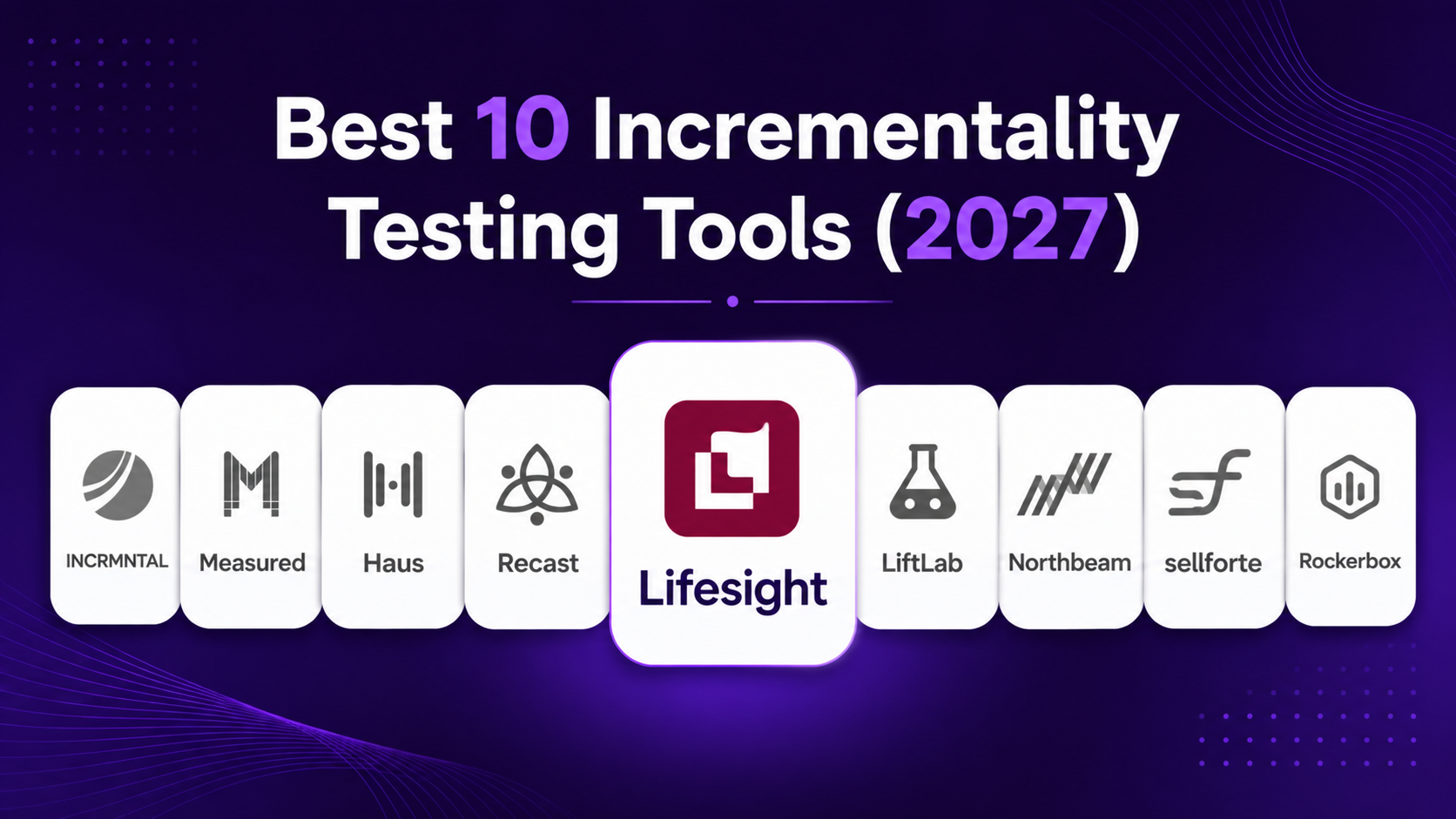
This guide breaks down the 10 best incrementality testing tools in 2027, comparing their core approach, ideal use case, and how each one fits into a broader marketing measurement stack (MMM, attribution, and forecasting).
Quick Answer: Best Incrementality Testing Tools in 2027
The best incrementality testing tools in 2027 include:
| Tool | Best for | Core approach | Broader measurement |
| Lifesight | Unified Measurement (Agentic UMM) with incrementality + MMM + attribution | Geo experiments and causal measurement | MMM, causal attribution, forecasting, optimization |
| Haus | Dedicated experimentation | Geo experiments and lift studies | Experiment-informed MMM |
| Measured | Enterprise measurement programs | Incrementality experiments | MMM and attribution |
| WorkMagic | Geo incrementality testing for DTC/ecommerce | Regional holdout tests and geo pairing | MMM, attribution (halo effects) |
| Recast | MMM-first organizations | GeoLift experiments | Bayesian MMM |
| LiftLab | Full-funnel measurement | Incrementality testing | Agile MMM and planning |
| Northbeam | Attribution-led ecommerce teams | Incrementality measurement | Attribution and MMM |
| Sellforte | Retail and ecommerce | Geo and other experiment analysis | MMM, attribution, optimization |
| Rockerbox | Multi-channel attribution teams | Incrementality testing | MTA and MMM |
| Google’s Meridian GeoX | Technical teams seeking open source | Geo experimentation | Google Meridian ecosystem |
What Is Incrementality Testing?
Incrementality testing is a marketing measurement method that determines whether a campaign or channel caused additional business outcomes that would not have occurred without the marketing intervention.
This is different from the two other common measurement approaches: Attribution and Marketing Mix Modeling.
- Attribution assigns credit to touchpoints based on tracked interactions (clicks, views, trackable pixels). Platforms are incentivized to claim credit for conversions they influenced but didn’t cause, which inflates attributed performance.
- Marketing Mix Modeling (MMM) uses historical, aggregated data to statistically estimate each channel’s contribution over time. It’s powerful for continuous, cross-channel measurement but doesn’t run a live experiment.
For example, suppose a campaign reports $1 million in attributed revenue. An incrementality experiment may determine that $700,000 of those sales would have happened anyway.
The campaign’s incremental revenue would therefore be closer to $300,000.
That distinction is why incrementality has become increasingly important for marketers trying to understand true marketing ROI rather than attributed ROI.
The three types of incrementality test designs
- Geo tests compare matched test and control markets such as cities, DMAs, or regions, to isolate the causal lift of a channel or campaign. Geo tests are the most widely used design because they work across both online and offline channels and don’t depend on user-level tracking.
- Audience / A-B holdouts randomize at the user or customer level. These suit owned media such as email, SMS, retargeting, and catalog campaigns, where a market-level geo split isn’t practical.
- Platform conversion lift tests run natively inside a single ad platform (Meta, Google, TikTok), withholding ads from part of the target audience and comparing conversion rates between the exposed and withheld groups.
Each design produces a lift estimate with a confidence interval, and each comes with trade-offs. Geo tests are the most channel-agnostic but need enough market-level scale to detect an effect. Audience holdouts are precise but confined to addressable channels. Platform lift tests are fast to launch but locked inside one platform’s walled-garden data, which limits how comparable results are across channels.
Why Incrementality Testing Matters More in 2027
- Platform reporting keeps overstating impact. Meta, Google, and TikTok dashboards are built to present each platform’s own performance in the most favorable light.
- Privacy changes have broken user-level tracking. iOS App Tracking Transparency, cookie deprecation, and walled gardens have made pixel-based attribution progressively less reliable.
- Budgets face more scrutiny. Finance and leadership want proof of incremental ROI, not correlation-based dashboards.
- Marginal returns matter more than averages. The ROI of the next dollar on a channel, not its historical average, is what should actually inform a scale-up or scale-down call, and only a subset of tools surface this distinction clearly.
How We Evaluated These Incrementality Testing Platforms
Every tool below is assessed against the same six criteria so comparisons are apples-to-apples:
- Methodology coverage — geo-testing, platform lift, MMM, causal attribution, or a combination
- Experiment velocity — how fast you can design, launch, and read out a test
- Data & privacy posture — connectors, aggregation approach, SOC 2/ISO/other compliance
- Decision loop — whether results feed back into budget optimization or stay a static report
- Transparency — access to confidence intervals, model assumptions, and raw outputs
- Pricing accessibility — published pricing vs. custom quote-only
10 Best Incrementality Testing Tools & Platforms in 2027
Below, we’ve compared the 10 best incrementality testing tools for 2027 to help you evaluate their testing capabilities, measurement approach, use cases, and key features.
1. Lifesight
Best Overall for Unified Measurement Including Incrementality, MMM & Attribution

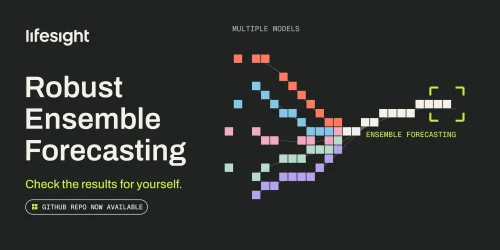
Lifesight is the agentic unified marketing measurement platform (Agentic UMM), combining incrementality testing, Marketing Mix Modeling, causal attribution, forecasting, and marketing budget optimization in one system.
Rather than treating experimentation as an isolated measurement exercise, Lifesight uses experiments as part of a continuous measurement loop. Geo experiments validate hypotheses and generate causal evidence. Those results calibrate broader measurement models, which in turn help marketers identify what should be tested next.
Best for: Brands and enterprises that want a unified source of causal truth across incrementality, MMM, and attribution instead of siloed point solutions.
Key Features
- No-code geo test builder with matching, trend checks, and power meters
- Causal MMM with ROI curves and one-click calibration from test data
- Incrementality-adjusted attribution that ranks channels and creatives by real, incremental impact
- A simple loop: Observe → Decide → Act → Learn
- One-click or automatic budget changes pushed to ad platforms via Lifesight MCP
- SOC 2 Type II, ISO 27001, GDPR/CCPA, and HIPAA compliant
Strengths
- Testing comes first: MMM and attribution are built on real experiments, not the other way around
- Proven results: 300+ brands, including IKEA, Dyson, New Balance, and Costa Coffee, run on Lifesight, with an average 9.8% sales lift; Seidensticker saw 11.5% higher revenue at 11.7% lower spend
- Full compliance coverage: SOC 2, ISO, GDPR, HIPAA
- Connected through Lifesight MCP, with agents that act on test results instead of just reporting them
- Built-in optimization, deploy, and creative reporting features close the loop between tests and next steps
Limitations
- Needs clean, daily data to run at full strength
- Best suited to brands with enough data volume to power geo and audience tests; may be less of a fit for very early-stage brands
Pricing: Annual subscription, tiered by media scale, with unlimited seats and experiments. Custom quotes via the Lifesight pricing page.
2. Haus
Best for Incrementality Experiments and GeoLift Testing
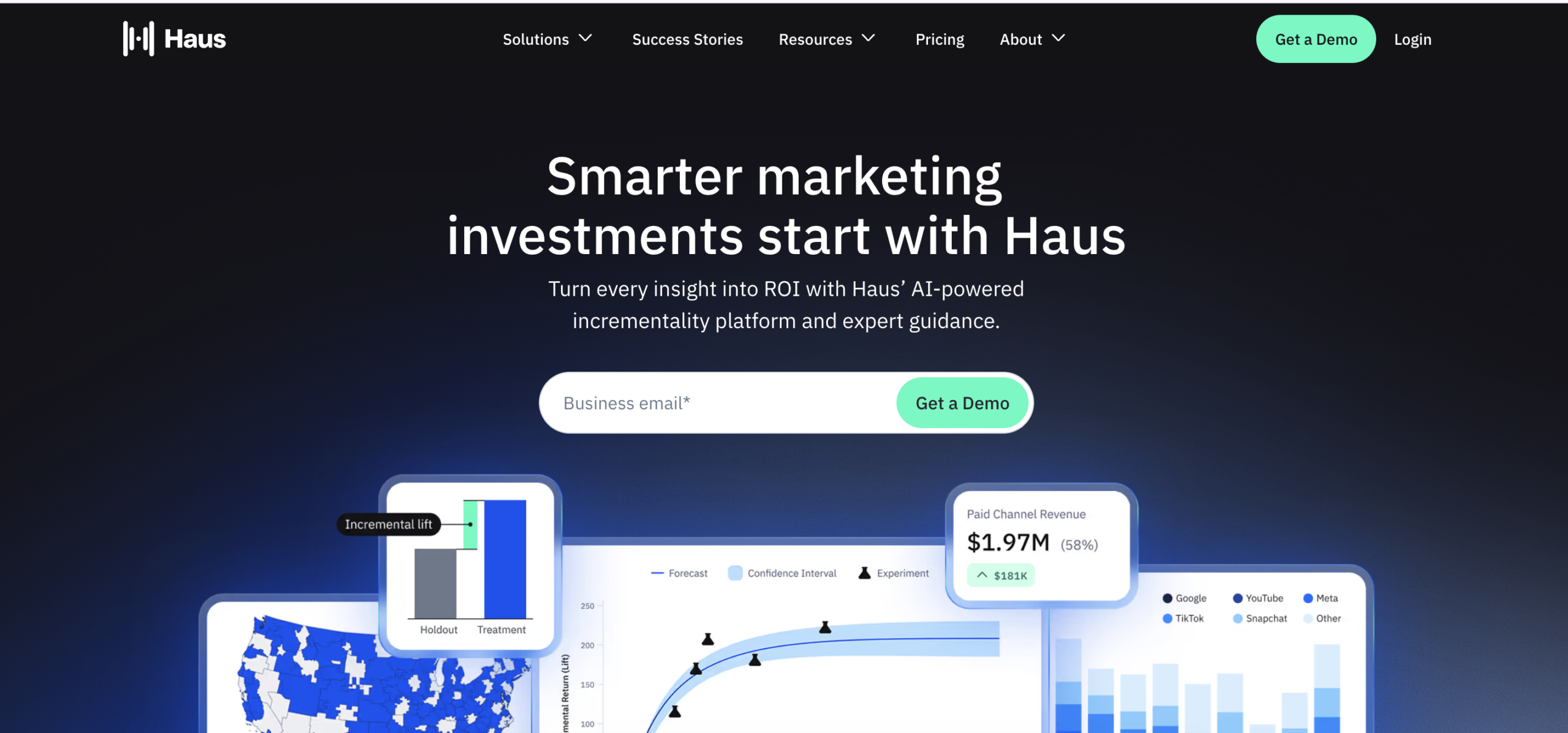
Haus is a purpose-built experimentation platform focused squarely on geo experiments and lift studies. It’s designed for teams that want rigorous test design without the overhead of a full measurement suite.
Its broader measurement layer is experiment-informed MMM, meaning the media mix model is continuously calibrated using real experimental results rather than observational data alone, improving model accuracy over time.
Best for: DTC and ecommerce teams that want fast, self-serve geo tests without an in-house data team, and are comfortable integrating outputs into their own MMM or reporting stack.
Key Features
- Wizard-based test setup with random or fixed-geo groups
- Works across DTC, marketplace, and offline/retail channels
- Haus Copilot, an AI assistant for test design
- Confidence scores at test end, plus support from PhD scientists
- MMM built from test data, plus daily attribution reports
- SOC 2 Type II and ISO 27001 certified
Strengths
- Fast, easy geo test setup
- AI help plus real scientist support
- Strong security certifications
Limitations
- MMM is newer and less proven than dedicated MMM tools
- Results often export to an outside MMM tool
Pricing: Based on countries, channels, and test volume. Request a quote.
Compare Haus with Lifesight: See how Lifesight compares with Haus for geo experimentation, incrementality measurement, MMM, and marketing optimization. Lifesight vs Haus
3. Measured
Best for Enterprise Incrementality Testing
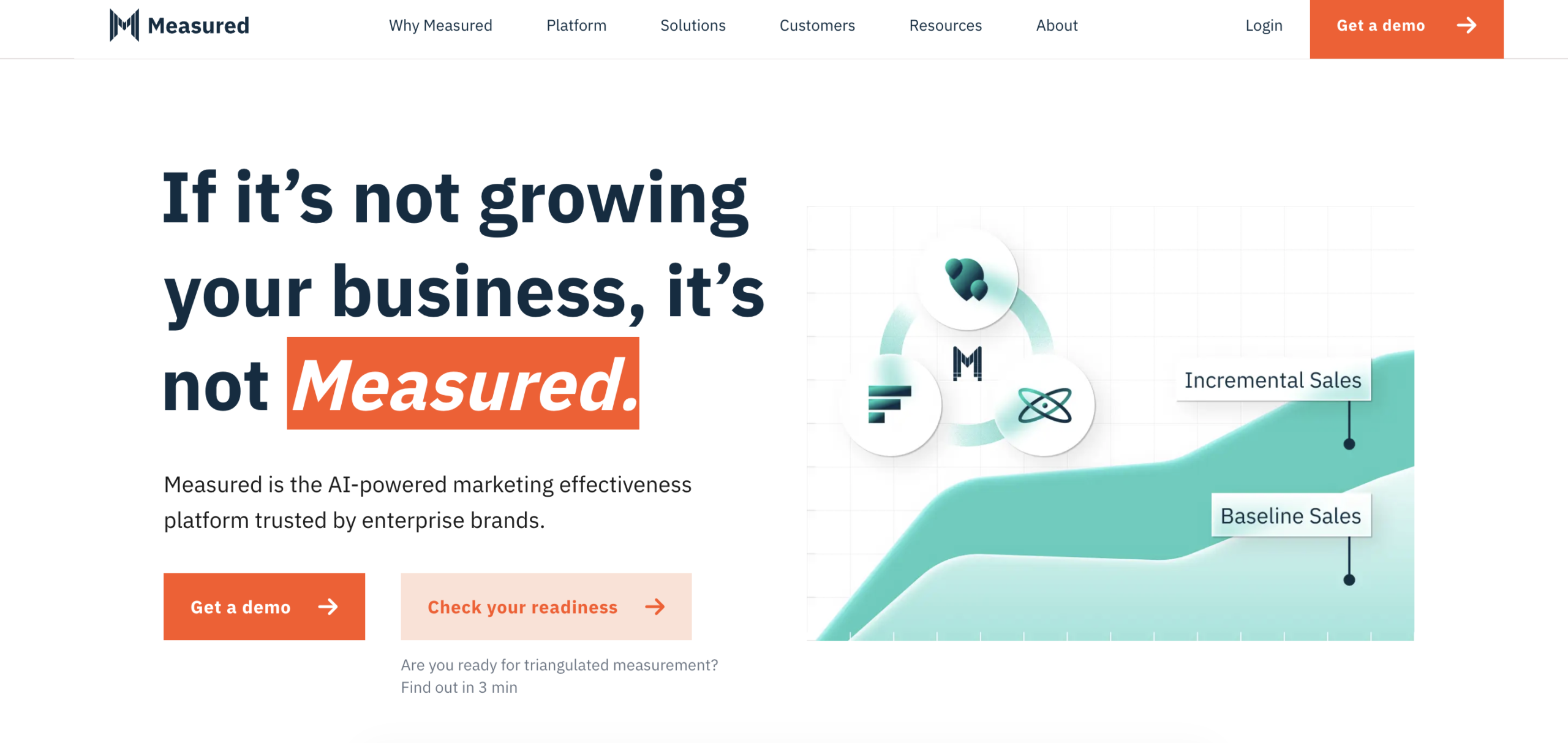
Measured is geared toward large, complex organizations running structured incrementality experiments across many markets and channels simultaneously. It’s commonly deployed as part of enterprise-wide measurement governance programs.
Its broader suite includes MMM and attribution, giving enterprise teams a way to triangulate results across methodologies for board-level reporting confidence.
Best for: Enterprise marketing and analytics teams running measurement at scale across multiple business units.
Key Features
- Automated geo and audience tests at scale
- MMM calibrated by test results
- One dashboard that blends MMM, attribution, and test data
- AI-powered budget scenario planning
- Product-level and SKU-level testing
- 300+ managed integrations
Strengths
- Strong coverage of both geo and audience tests
- Blends multiple methods instead of picking just one
- Deep integration with ecommerce tools
Limitations
- MMM setup often needs manual services, which slows results
- Limited built-in budget action tools
Pricing: Annual contract plus onboarding fee. Price depends on spend and scope.
Compare Measured with Lifesight: Compare Lifesight and Measured across incrementality testing, MMM, attribution, experimentation, and measurement workflows. Lifesight vs Measured
4. WorkMagic
Best for Geo Incrementality Testing
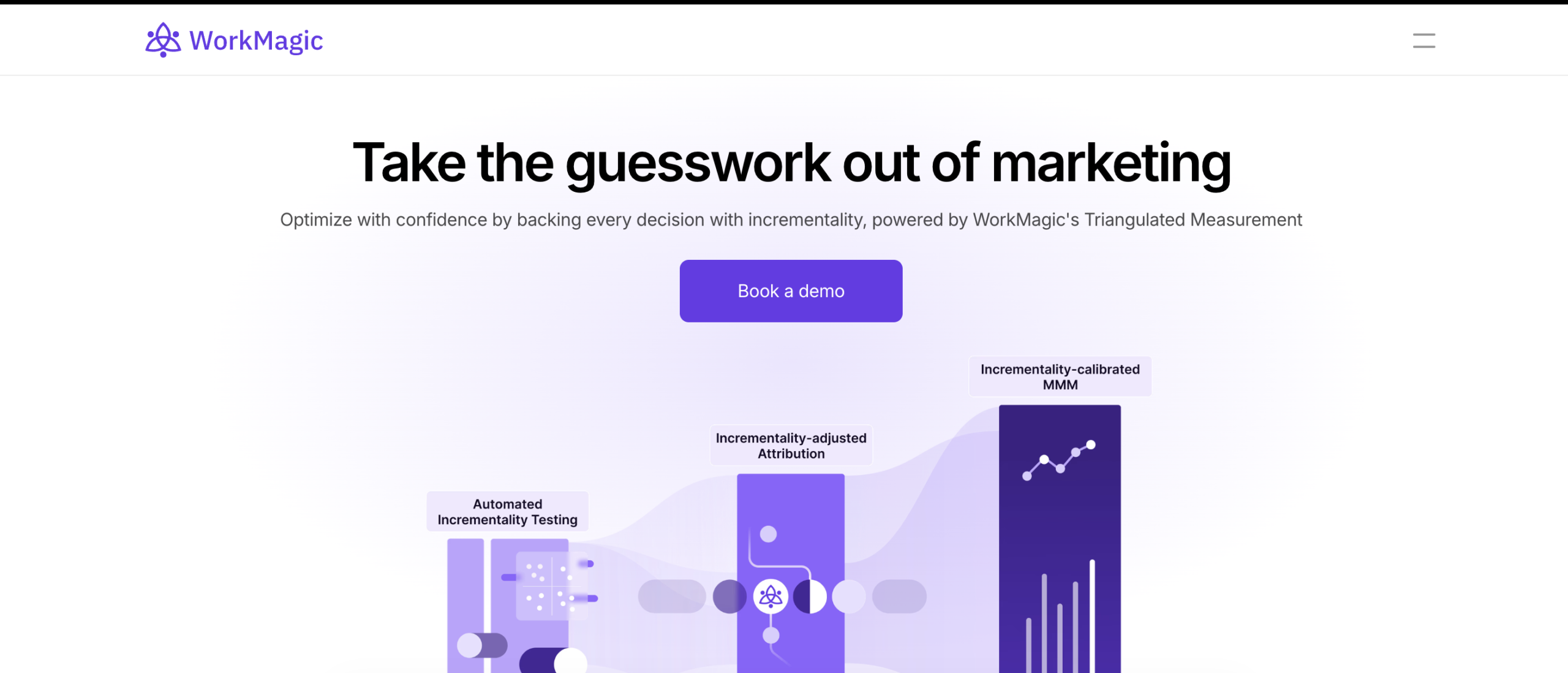
WorkMagic is a geo incrementality testing platform focused on helping marketers measure the causal impact of advertising through regional experiments, holdout markets, and geo-based testing.
Rather than evaluating campaigns only through platform-reported attribution, WorkMagic uses regional holdout tests, geo pairing, and incremental lift measurement to estimate what would have happened without the marketing intervention. These results can help marketers identify incremental performance and improve decisions around campaign investment and channel effectiveness.
Best for: DTC and ecommerce brands that need to track halo effects across channels, without hiring a data team.
Key Features
- Geo holdout tests with a claimed 98% success rate
- Attribution that tracks halo effects (e.g., TikTok Shop boosting Amazon sales)
- MMM calibrated using both past data and test results
- Direct links to ad, CTV, logistics, and analytics tools
- Automated test setup with ad partners
- MCP support for AI workflows
Strengths
- Strong focus on cross-channel halo effects
- Self-serve
- Built for AI workflow integration
Limitations
- Newer platform with fewer integrations than older rivals
- Fewer independent reviews so far
Pricing: SaaS pricing. Cost depends on plan and use.
Compare WorkMagic with Lifesight: Explore the differences between Lifesight and WorkMagic for geo testing, incremental lift measurement, MMM, and marketing decision-making. Lifesight vs WorkMagic
5. Recast
Best for MMM and Incrementality Testing

Recast leads with Bayesian MMM, using GeoLift experiments as a validation and calibration layer rather than the primary measurement method. This makes it a strong fit for organizations that already think in MMM terms and want experiments to sharpen model accuracy.
Best for: Data-mature marketing teams that prioritize a robust, statistically grounded MMM and use geo experiments to validate model outputs.
Key Features
- Bayesian MMM with 40,000+ parameters, updated weekly
- GeoLift for standalone geo tests that feed back into the MMM
- Forecasting and budget scenario tools
- Budget optimizer that respects spend limits
- Public API and MCP server (works with Slack, Notion, Looker, Claude)
- Weekly, public accuracy scorecards
Strengths
- Rigorous, constantly updated MMM
- Full transparency with weekly public scorecards
- Open API for easy team workflows
Limitations
- Mostly a managed service, not fully self-serve
- Few built-in tools to act on results automatically
Pricing: Quote-based. Requires a demo call.
Compare Recast with Lifesight: Compare Lifesight and Recast across incrementality testing, MMM, forecasting, experimentation, and budget planning. Lifesight vs Recast
6. LiftLab
Best for Test-Calibrated MMM
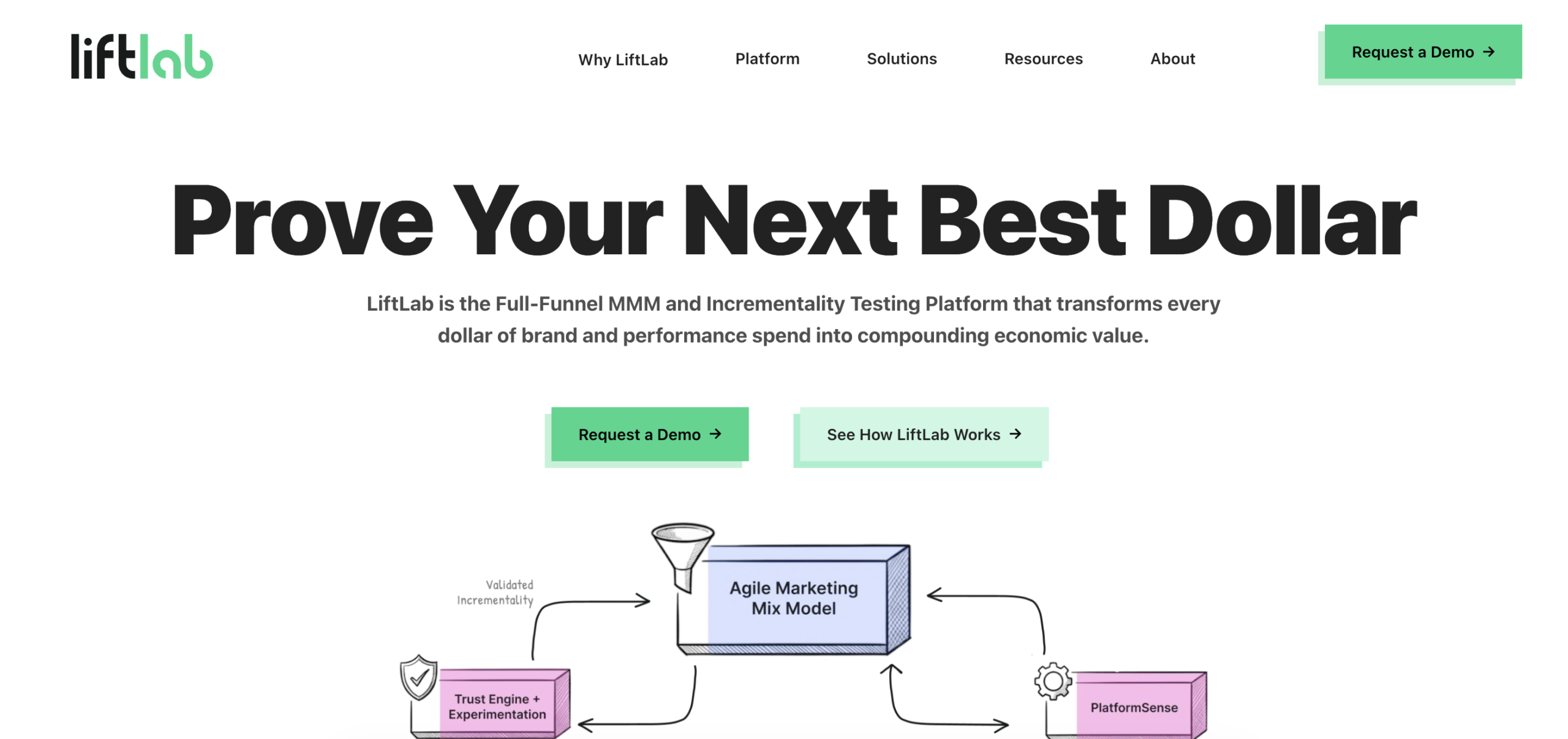
LiftLab specializes in incrementality testing across the full marketing funnel, paired with agile MMM and planning tools. It’s designed for teams that need faster, more iterative measurement cycles rather than static, quarterly MMM refreshes.
Best for: Teams that want frequent, agile incrementality reads feeding directly into planning decisions.
Key Features
- Two-part MMM that separates market noise (like CPM shifts) from real consumer response
- A testing suite that keeps sharpening the model with new data
- PlatformSense, a daily signal layer that flags CPM shifts and ad fatigue
- Scenario planner for full-funnel budget planning
- AI chat tool (Miles) for measurement questions
- Long-term brand value tracking
Strengths
- The model keeps improving on its own, using new test data
- Daily signals catch changes before a full model rebuild
- Tracks long-term brand value, rare among rivals
Limitations
- Plan level affects how much access and integration you get
- Pricing and test rules need to be confirmed directly
Pricing: Not public. Available after a demo.
Compare LiftLab with Lifesight: See how Lifesight and LiftLab approach incrementality testing, test-calibrated MMM, planning, and marketing measurement. Lifesight vs LiftLab
7. Northbeam
Best for Ecommerce Attribution + Incrementality

Northbeam is known primarily as an attribution platform that has extended into incrementality measurement, paired with attribution and MMM. It’s a natural fit for teams already using Northbeam for attribution who want to add a causal validation layer.
Best for: Ecommerce teams with existing attribution workflows looking to add incrementality as a validation check.
Key Features
- ML-based multi-touch attribution
- MMM plus machine-learning lift analysis
- Hourly data refresh from ad and ecommerce platforms
- Cohort, LTV, and margin views by channel and product
- Self-serve testing that checks lift against existing data
Strengths
- Faster data refresh than most rivals, near real time
- One of the few tools with public starting prices
- Strong cohort and LTV analysis
Limitations
- Testing is newer and lighter than its attribution/MMM tools
- Not built for offline or B2B use
Pricing: Starter plans start at $1,500/month, with Professional and Enterprise available at custom quotes based on data volume and features.
Compare Northbeam with Lifesight: Compare Lifesight and Northbeam across incrementality measurement, attribution, MMM, forecasting, and optimization. Lifesight vs Northbeam
8. Sellforte
Best for Retail & Omnichannel Incrementality Testing
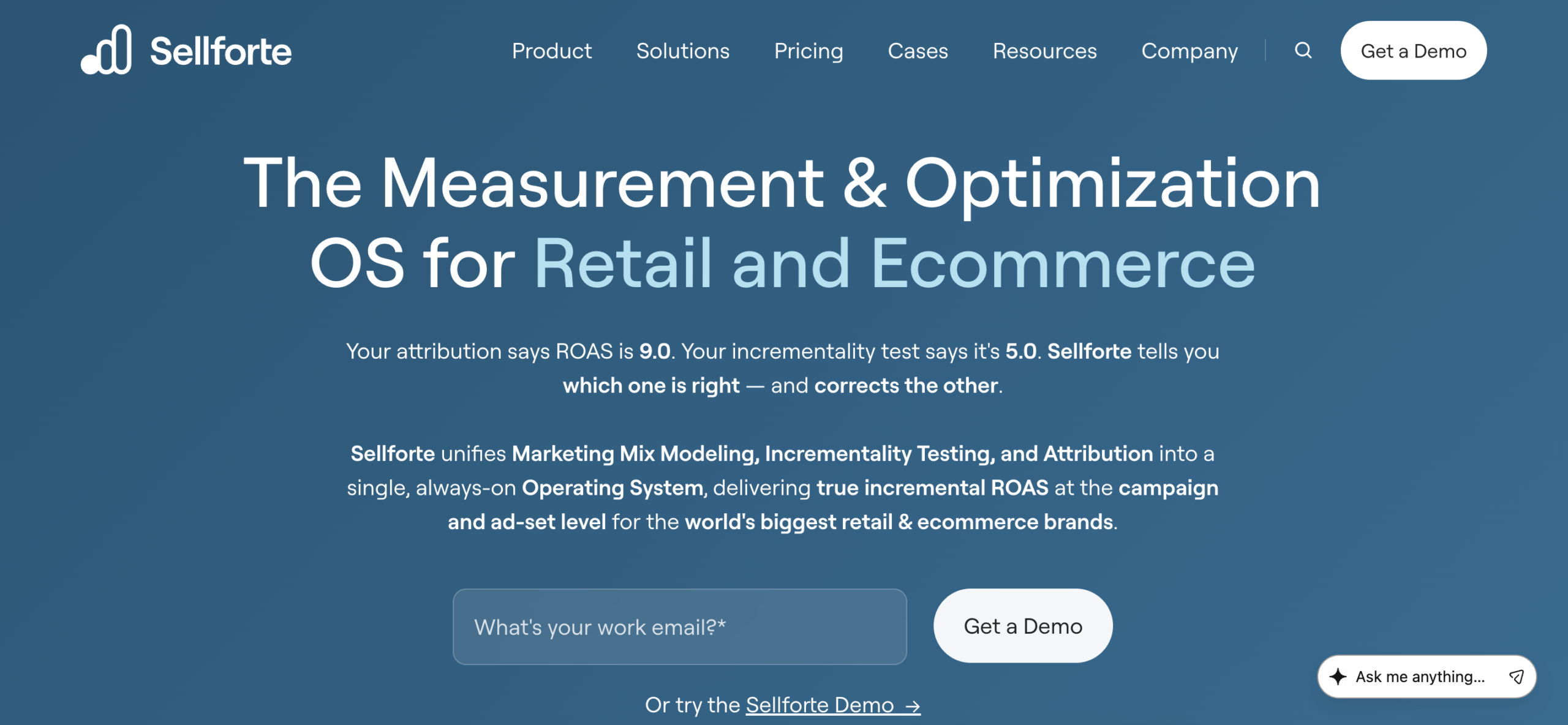
Sellforte focuses on geo and other experiment analysis for retail and ecommerce businesses, with a broader measurement layer spanning MMM, attribution, and optimization. It’s positioned for retailers balancing online and offline sales channels.
Best for: Retail and omnichannel ecommerce teams needing experimentation that accounts for both digital and in-store sales impact.
Key Features
- miROAS: marginal ROI at the campaign and ad-set level
- AI agents that can plan, buy, and adjust budgets within set limits
- Daily digital updates and monthly offline updates
- Scenario planning and budget pacing on higher plans
Strengths
- More precise than most, down to the ad-set level, not just channel
- AI agents can act directly on budget and bids
- Covers all major test types in one library
Limitations
- Needs steady, disciplined data feeds to work well
- Still building up third-party reviews
Pricing: Custom, tiered plans (Standard/Advanced/Enterprise). Digital and offline measurement included at every tier.
9. Rockerbox
Best for Attribution-Led Incrementality Measurement
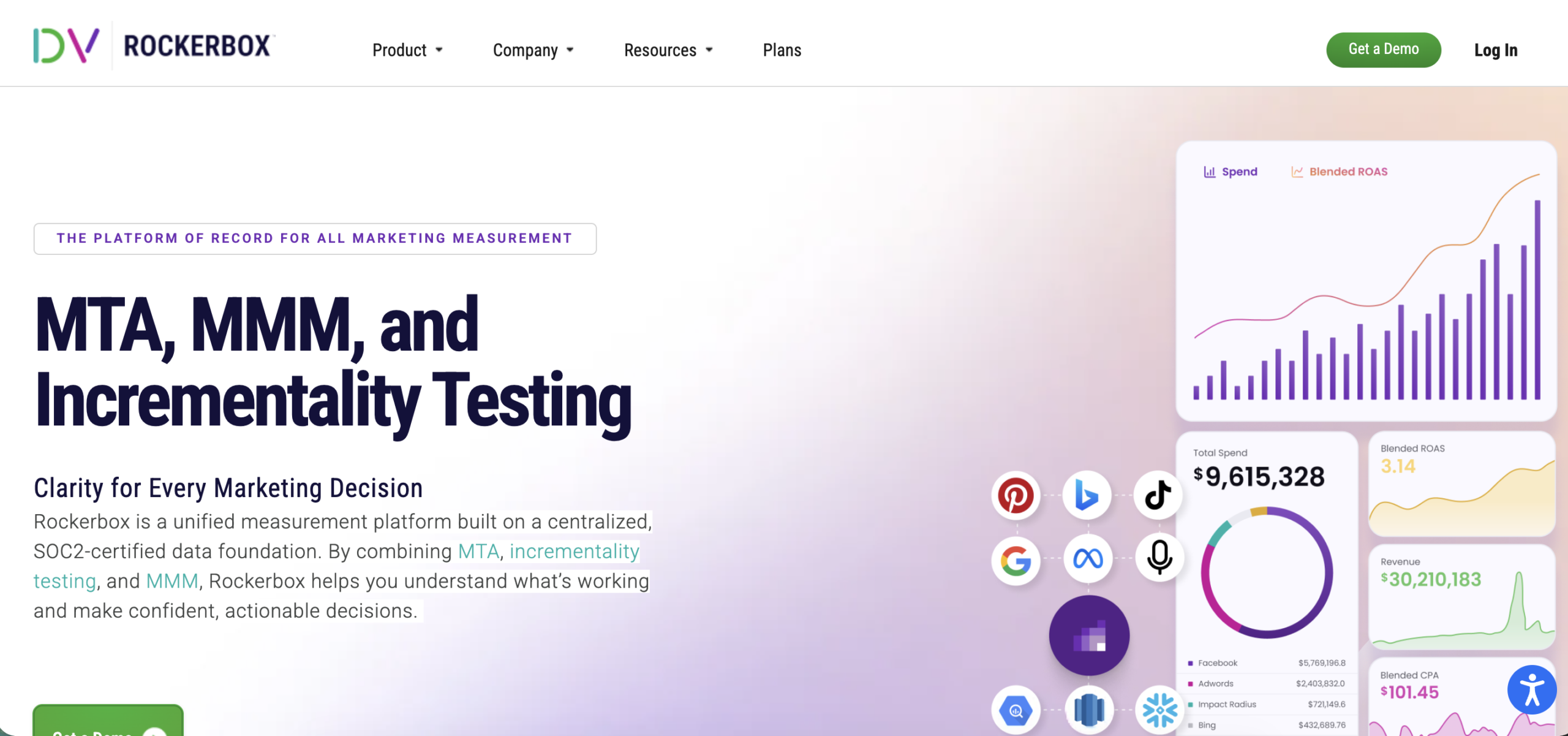
Rockerbox combines incrementality testing with traditional multi-touch attribution (MTA) and MMM, giving teams a bridge between legacy attribution reporting and causal measurement. It suits organizations transitioning away from pure MTA dependency.
Best for: Multi-channel teams migrating from MTA-only reporting toward a blended incrementality and MMM approach.
Key Features
- One SOC 2-certified data base for all channels, online and offline
- Multi-touch attribution for daily decisions
- MMM for long-term planning
- Testing that checks and improves both MMM and attribution
- 100+ integrations, including offline and direct mail
- Side-by-side view comparing all three methods
Strengths
- Rare feature: shows where methods agree or disagree, instead of picking one number
- Wide integration list, including hard-to-track offline channels
- One certified data source powering all methods
Limitations
- Testing is newer than its attribution tools, often bundled into services
- Pricing stays hidden until you talk to sales
Pricing: Custom, spend-based pricing. Setup fees est. $5,000–$20,000. First-year cost can reach six figures for large accounts. (Estimates only — confirm directly.)
Compare Rockerbox with Lifesight: Compare Lifesight and Rockerbox across incrementality testing, attribution, MMM, forecasting, and marketing optimization. Lifesight vs Rockerbox
10. Google Meridian GeoX
Best for Open-Source Geo Incrementality Testing
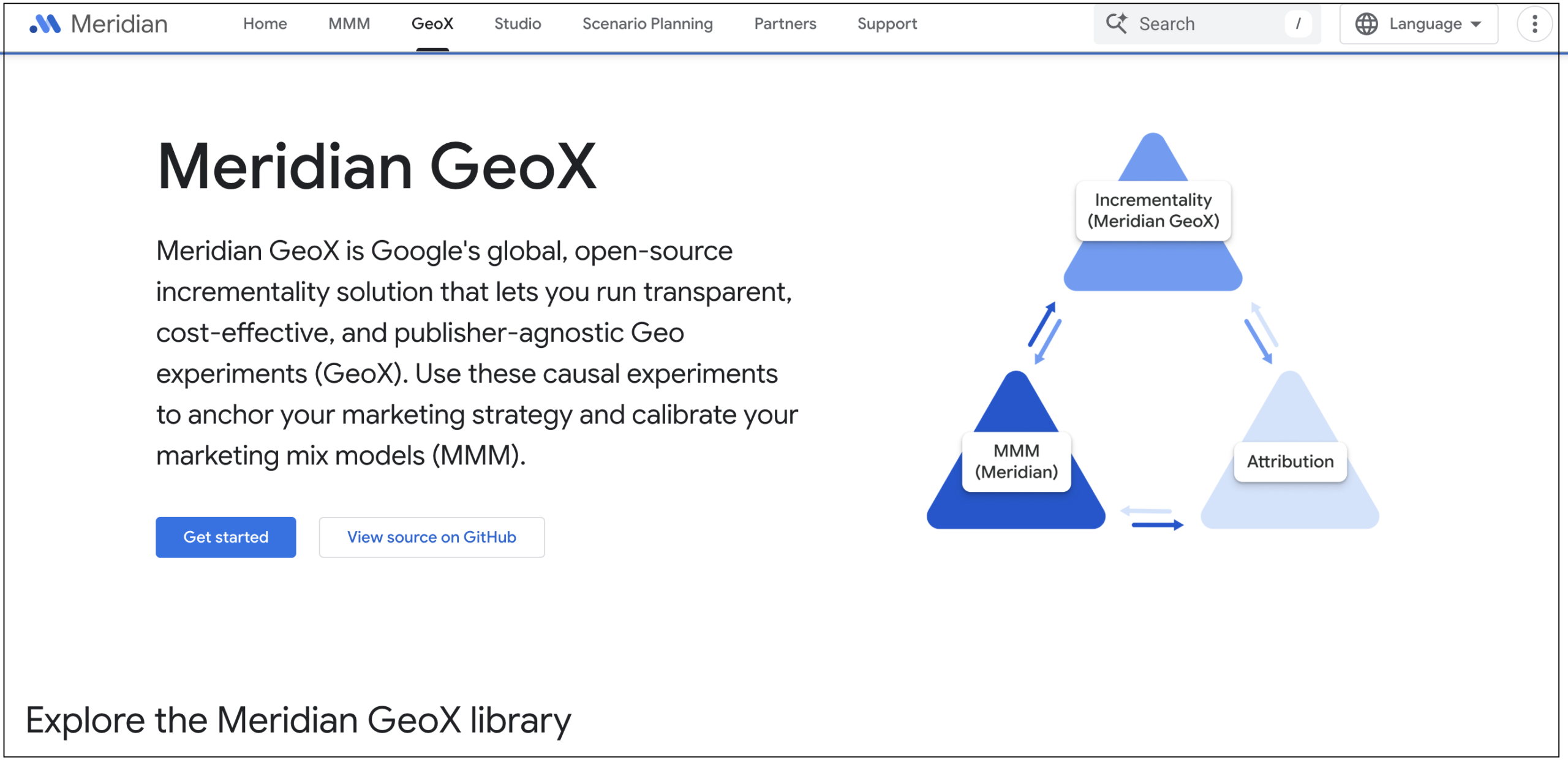
Meridian GeoX is built on Google’s open-source Meridian MMM ecosystem, offering geo experimentation for teams with the technical capacity to run and customize their own measurement infrastructure. It appeals to data science-led teams that want full control and transparency over methodology.
Best for: Technical/data science teams that prefer open-source, customizable measurement infrastructure over a managed SaaS platform.
Key Features
- Open-source, publisher-agnostic geo experimentation library (free, self-hosted)
- Three test designs: Holdback, Go Dark, Heavy Up
- Multi-cell execution against a common control
- Integrates with Meridian MMM to calibrate Bayesian priors
- Flexible design wrapper for geo/budget constraints
- Built on Python 3.11+ and JAX
Strengths
- No license cost, only engineering time
- Open, auditable codebase, no black box
- Tight experiment-to-MMM calibration loop
- Measures any channel against your own revenue data
Limitations
- Requires data pipelines and an analyst to run in production
- No built-in attribution or ecommerce analytics
- Newer GA launch with fewer integrations, less agency familiarity
- Best for teams with in-house data science capacity
Pricing
- Free and open source
- Cost is implementation: engineering time, analyst hours, compute
How to Choose the Right Incrementality Measurement Software
1. Match methodology to your question
Need to validate a single channel? Geo-testing alone may be enough. Need ongoing budget planning across channels? Look for MMM + testing combined (Lifesight, Recast, LiftLab, Sellforte).
2. Check experiment velocity
Wizard-based setup, automated power analysis, and pre-trend checks save real time and prevent underpowered tests.
3. Confirm the decision loop
Does the tool only report lift, or does it feed results back into budget optimization and attribution recalibration?
4. Review data and privacy posture
Look for aggregated, privacy-safe measurement, SOC 2/ISO certification, and clear data processing agreements.
5. Ask for a live read-out
Any credible vendor should be able to walk you through a real geo-test result — lift %, confidence interval, and how it changed a budget decision.
6. Get pricing clarity early
Several tools on this list (Northbeam, Rockerbox) have published starting price ranges; others are quote-only — factor evaluation time into your buying timeline accordingly.
FAQs About Incrementality Testing Tools
1. What is incrementality testing in marketing?
Incrementality testing in marketing is a controlled experiment — typically a geo holdout, audience holdout, or platform pause test — used to measure the true causal lift a marketing channel or campaign drives, rather than relying on tracked clicks or platform-reported attribution.
2. What’s the difference between incrementality software and MMM?
Incrementality software runs live experiments to isolate short-term causal lift. Marketing Mix Modeling (MMM) uses historical, aggregated data to estimate each channel’s contribution over a longer time horizon. The strongest measurement programs use both and calibrate one against the other.
3. How long does an incrementality test typically run?
Most geo-based incrementality tests run for 4–8 weeks, depending on traffic volume, spend levels, and the minimum detectable lift you’re targeting. Good incrementality testing tools include a power calculator to estimate this before you launch.
4. Do incrementality testing tools require cookies or user-level IDs?
No. Most modern incrementality measurement software — including every tool on this list — runs on aggregated, privacy-safe data such as geo or market-level results, so it works regardless of cookie deprecation or iOS tracking restrictions.
5. Should I use incrementality software or hire an incrementality testing agency?
It depends on your internal capacity. Software gives you speed, ongoing testing capability, and direct access to results. Agencies are a good fit if you lack in-house analytics resources or want expert-led test design and reporting. Many brands combine both.
6. Which incrementality testing tool is best for small ecommerce brands?
Haus and Workmagic are generally more accessible for lean DTC teams that want fast, self-serve testing without heavy analytics overhead, while enterprise-scale brands tend to lean toward Lifesight, Measured, Rockerbox, or Sellforte for combined MMM and testing capabilities.’
Conclusion
Attribution and MMM tell you a lot. But only incrementality testing tells you what really caused a sale, versus what would have happened anyway. That gap is often worth 2–3x in reported vs. real ROAS. Getting it wrong means scaling the wrong channel, and starving the one that’s actually working.
There’s no single best tool for every team.
Whatever you choose, the goal stays the same: stop trusting what a platform says it did. Start proving what your marketing actually caused.
Book a Lifesight demo to see how real testing data can guide your next budget decision.