
Are you curious about what the future of customer loyalty holds? As we head into 2024, businesses are realizing that customer loyalty is more important than ever before. With the rise of ecommerce and the increasing competition for customers’ attention, DTC brands are looking for ways to keep their customers coming back for more.
And the stats are clear:
- Customers who are members of a loyalty program have a 39% higher purchase frequency than non-members.
- Members of a loyalty program spend 29% more on average than non-members
- Repeat customers have a higher conversion rate, with 27% of repeat customers making a purchase compared to only 12% of new customers.
In this blog, we’ll explore the top customer loyalty trends for 2023 and what they mean for businesses looking to build long-term relationships with their customers.
18 Customer Loyalty Trends 2024
1) Personalization
Personalization has emerged as a major trend in customer loyalty programs, with businesses striving to tailor their products and services to individual customers. By analyzing customer data and behavior, companies can offer personalized experiences that meet the specific needs and preferences of each customer.
This can include personalized recommendations, customized promotions, and individualized communication. Personalization not only improves the customer experience but also strengthens customer loyalty, as customers feel valued and understood by the business.
For example, Amazon uses personalization extensively through its product recommendations, tailored emails, and customized search results. This has helped Amazon to build a loyal customer base and become one of the most successful e-commerce companies in the world.
customer-loyalty-trends-personalization-like-amazon 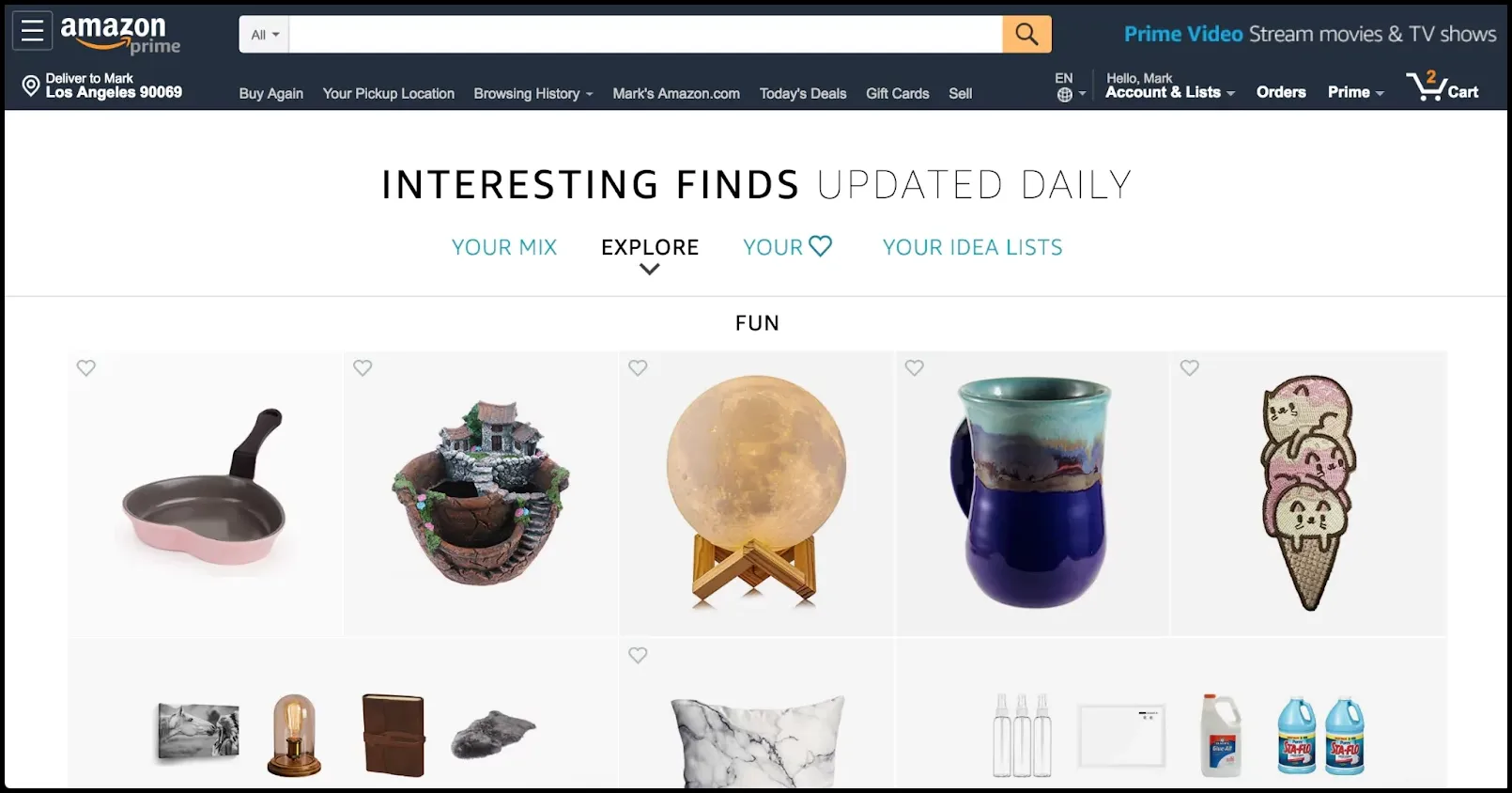
Continue reading: Big Brand Ecommerce Hyper Personalization Strategies all DTC Brands should Adopt
2) Omni-Channel Marketing
Omni-channel marketing is a strategy that focuses on delivering a seamless and consistent customer experience across all channels and touchpoints, including online and offline channels. This approach recognizes that customers interact with brands through a variety of channels and devices, and aims to provide a unified and personalized experience that meets their needs at every stage of the customer journey.
By integrating different channels and touchpoints, businesses can build stronger relationships with customers and improve customer loyalty. Omni-channel marketing also enables businesses to collect valuable data and insights that can be used to optimize marketing efforts and improve the overall customer experience.
For example, Sephora has a loyalty program that is also integrated with its omni-channel strategy, allowing customers to earn rewards and access personalized promotions across all channels.
customer-loyalty-trends-omnichannel-marketing-like-sephora 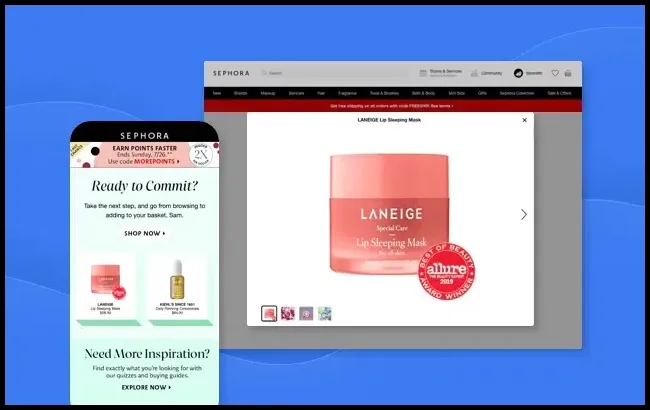
Continue reading: 3 Steps to Develop your Omnichannel Strategy
3) Sustainability
Sustainability has become a crucial customer loyalty trend, with consumers looking for businesses that prioritize environmental and social responsibility. Eco-friendly practices such as reducing waste, using renewable energy, and supporting ethical labor practices are key factors influencing customers’ purchasing decisions. By demonstrating a strong commitment to sustainability, businesses can build trust and loyalty with customers who value these principles.
As more customers prioritize eco-friendly and socially responsible products and services, businesses that prioritize sustainability can differentiate themselves and drive innovation. Incorporating sustainable practices into their overall strategy presents opportunities for companies to stand out in the market and retain customer loyalty.
One brand that has demonstrated a strong commitment to sustainability is Patagonia, which is known for its eco-friendly practices and socially responsible policies. Patagonia uses recycled materials in many of its products, supports fair labor practices, and donates 1% of its sales to environmental causes.
4) Gamification
Gamification is a customer loyalty trend that involves incorporating game-like elements into non-game contexts, such as marketing or customer engagement. This trend uses elements like points, badges, and rewards to incentivize customers to engage with a brand, and can be used to enhance customer loyalty programs and retention.
By tapping into the natural human desire for competition, rewards, and achievement, gamification can increase customer engagement and make experiences more enjoyable and memorable. Gamification is especially effective in industries like retail and hospitality, where customers are seeking a more immersive and interactive experience.
The Nike Run Club app encourages users to track their runs and compete with friends through leaderboards, badges, and achievements. Users can also unlock rewards and exclusive content as they reach certain milestones, which incentivizes continued engagement and builds a sense of community.
customer-loyalty-trends-gamification-like-nike 
Continue reading: 5 Ways to gamify Customer Engagement
5) Voice And Chatbots
Voice and chatbots are a customer loyalty trend that involves using artificial intelligence (AI) to create more personalized and efficient interactions between brands and customers. Chatbots use natural language processing to understand and respond to customer inquiries, while voice assistants like Siri and Alexa enable hands-free interactions.
The utilization of voice and chatbot technologies by brands has numerous benefits, including the ability to offer 24/7 customer service, promptly address inquiries, and provide personalized recommendations based on customer data. This translates into improved customer satisfaction, loyalty, and retention, while also reducing costs associated with traditional customer service methods.
H&M’s chatbot on Facebook Messenger allows customers to browse and purchase products, receive personalized style recommendations, and track their orders. Additionally, H&M’s voice assistant on Google Home enables customers to browse new products and get styling advice, all through voice commands.
customer-loyalty-trends-voice-and-chatbots-like-h&m 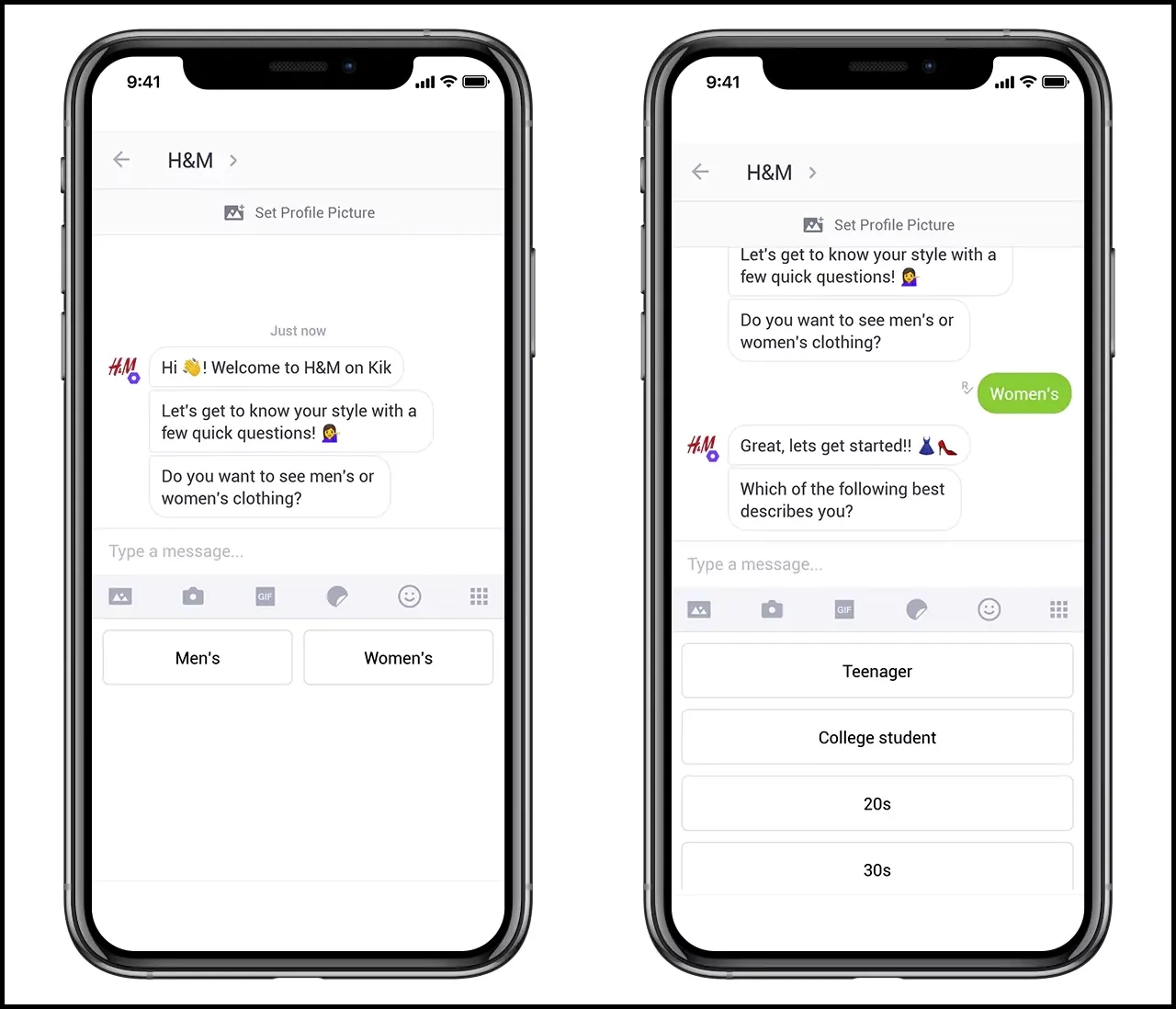
6) Subscription Models
Subscription-based models are a prevalent trend in customer loyalty programs, where brands offer customers regular deliveries of products or services for a recurring fee. Such models have gained significant traction in various industries, such as media, beauty, and food. Through subscribing to such services, customers commit to a long-term association with the brand, driving higher customer loyalty and retention rates.
Additionally, subscription models offer brands a steady stream of revenue and allow them to forecast demand more accurately. Brands can also use subscription models to collect valuable customer data and tailor their offerings to individual preferences, further enhancing customer loyalty programs.
Ipsy is a beauty subscription service that was founded in 2011 by Michelle Phan, a popular YouTube beauty vlogger. The company offers a personalized selection of makeup and skincare products that are tailored to each customer’s unique preferences and needs.
customer-loyalty-trends-subscription-model-like-ipsy 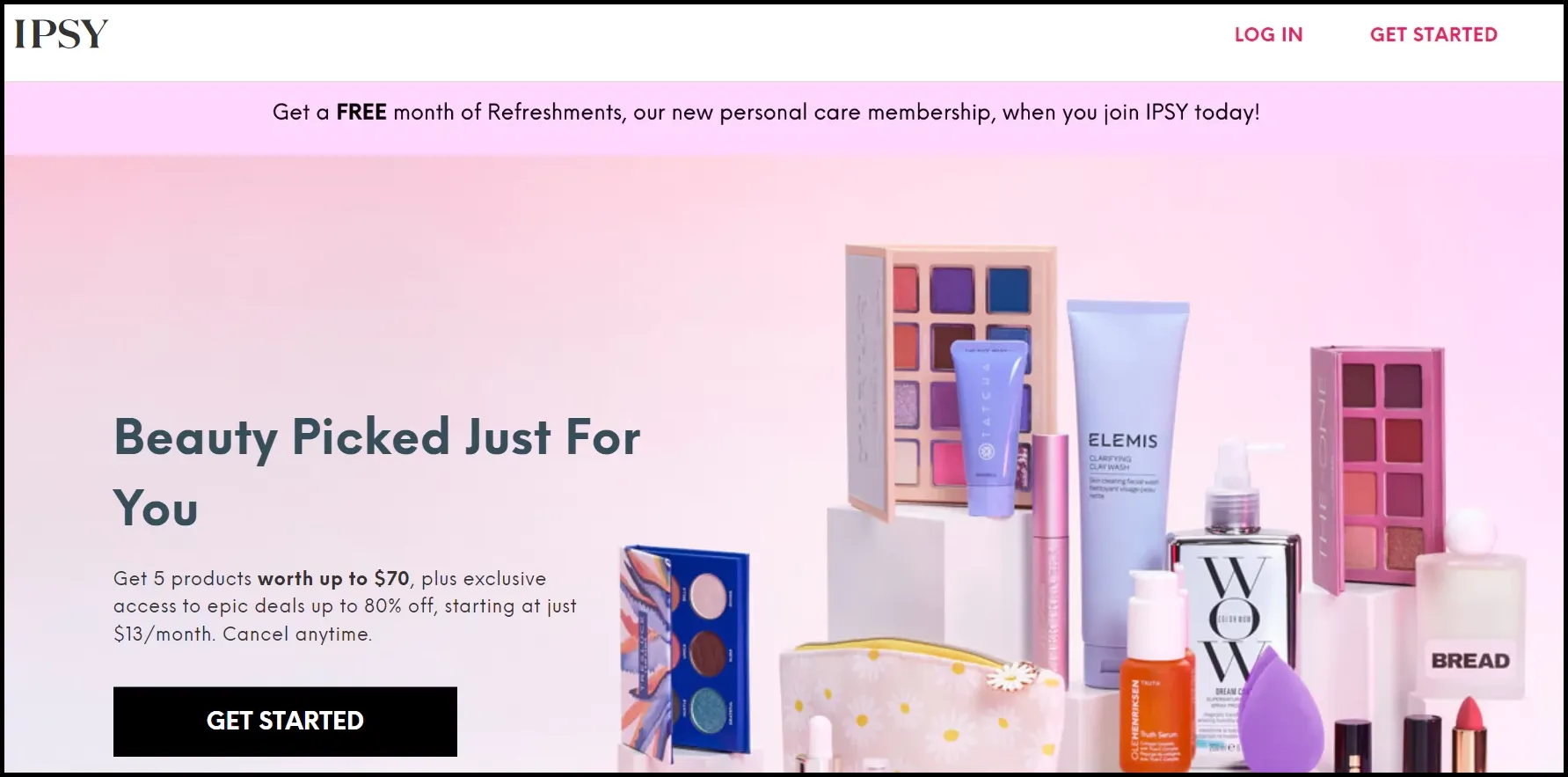
To get started, customers fill out a beauty quiz that asks about their skin type, hair color, makeup preferences, and other information. Ipsy then curates a selection of products based on that information and sends a “Glam Bag” of five products each month for a fixed subscription fee.Ipsy’s subscription model allows the company to offer a personalized and curated experience for customers while also generating a predictable and recurring revenue stream. By analyzing customer data and feedback, Ipsy can continually refine its product offerings to better meet the needs and preferences of its subscribers.
Continue reading: How to scale your DTC business through subscription model
7) Social Media
In the current digital era, social media has become a vital customer loyalty trend as it enables brands to establish personal connections and engage with customers. Platforms like Facebook, Instagram, and Twitter offer opportunities for brands to interact with customers, offer assistance, and share relatable content with their target audience.
By leveraging social media effectively, brands can build a strong online community, foster brand advocacy, and cultivate customer loyalty. Social media also offers valuable insights into customer preferences and behavior, allowing brands to personalize their marketing efforts and create a more meaningful relationship with their customers.
Nike is a prime example of a brand that has effectively used social media to build customer loyalty programs. With over 150 million followers across various platforms, Nike regularly shares content that resonates with its audience, such as motivational messages, athlete stories, and product launches.
customer-loyalty-trends-social-media-like-nike 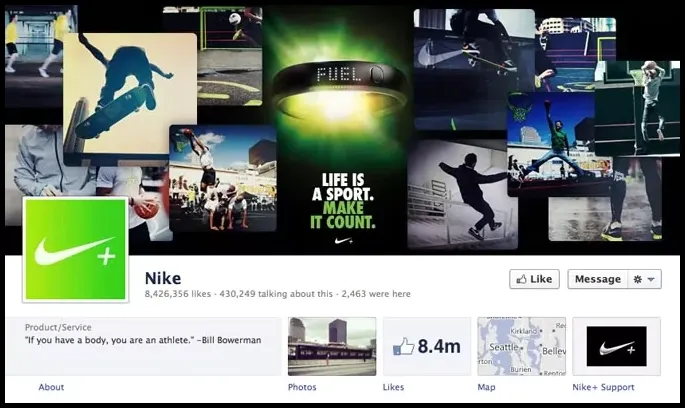
Continue reading: The Secret to Increasing Social Media Conversion Rates: 16 Proven Strategies
8) Loyalty Programs
Loyalty programs are a customer loyalty trend that involves offering incentives and rewards to customers who frequently make purchases or engage with a brand. These programs can include point systems, exclusive discounts, freebies, and other benefits. By implementing loyalty programs, brands can increase customer retention and incentivize customers to continue engaging with their brand.
Additionally, these programs provide valuable data on customer behavior and preferences, allowing brands to tailor their marketing strategies and improve customer experiences. Many industries, including retail, hospitality, and finance, have successfully implemented loyalty programs to improve customer loyalty and satisfaction.
An example of a brand that has successfully implemented a loyalty program is Starbucks. Its Starbucks Rewards program offers exclusive benefits to members, including free drinks, food, and personalized offers based on their purchase history.
customer-loyalty-trends-loyalty-program-like-starbucks 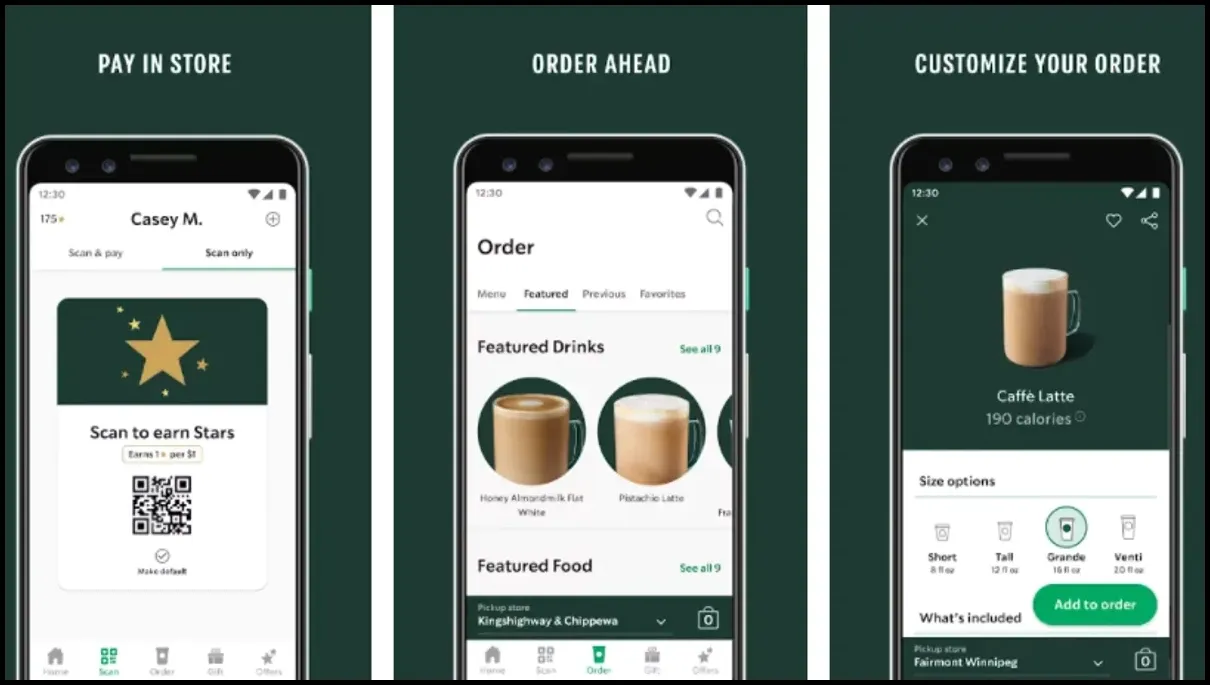
Continue reading: The Essential Guide to DTC Customer Loyalty Programs
9) Data-driven Loyalty
Data-driven loyalty is a customer loyalty trend that involves using data analytics to understand customer behavior and preferences and tailoring marketing efforts and rewards accordingly. By analyzing customer data such as purchase history, social media activity, and website interactions, brands can gain insights into what motivates their customers and create personalized loyalty programs that incentivize desired behaviors. This approach to customer loyalty programs not only increases engagement and retention but also provides valuable data for future marketing efforts and product development.
With the increasing availability of customer data and sophisticated analytics tools, data-driven loyalty programs are becoming more common across various industries, from retail and hospitality to financial services and healthcare. Brands such as Starbucks have successfully implemented data-driven loyalty programs that leverage customer data to offer personalized rewards and promotions, resulting in increased customer loyalty and revenue.
10) Emotional Loyalty
Emotional loyalty is a customer loyalty trend that focuses on creating a strong emotional connection between the customer and the brand. This type of loyalty goes beyond transactional interactions and aims to create a deeper bond that keeps customers coming back for more. Emotional loyalty can be established by providing customers with personalized experiences, exceptional customer service, and creating a sense of community and belonging around the brand.
Brands can leverage emotional loyalty by investing in customer relationship management (CRM) technologies that help them collect and analyze customer data to create more personalized experiences. By understanding customer preferences, behaviors, and pain points, brands can tailor their offerings to better meet their customers’ needs and build a stronger emotional connection.
11) Customer Feedback
Customer feedback is a crucial component of building customer loyalty programs, as it allows brands to gather insights and identify areas for improvement. By actively soliciting feedback from customers, brands demonstrate that they value their opinions and are committed to providing the best possible experience. This can lead to increased customer satisfaction and loyalty, as well as a better understanding of customer needs and preferences.
Brands have various tools and techniques at their disposal to make the most of customer feedback, such as surveys, online reviews, and focus groups. By carefully analyzing this feedback, brands can identify patterns and common issues, as well as potential avenues for innovation and differentiation. Furthermore, customer feedback can guide brands in shaping their messaging and communication strategies, ensuring that they effectively connect with their audience in a way that is meaningful to them.
12) Brand Purpose
Brand purpose has emerged as a key trend in customer loyalty programs in recent years. It refers to a company’s reason for being beyond just making a profit. Customers today are increasingly drawn to brands that have a clear and meaningful purpose that aligns with their own values and beliefs. They want to see companies taking a stand on social and environmental issues and contributing positively to society.
By articulating a strong brand purpose and living up to it, companies can build deeper connections with customers, foster brand loyalty, and drive long-term growth. Moreover, brands that prioritize purpose often enjoy increased employee engagement and satisfaction, as well as improved reputation and recognition in the marketplace. As a result, companies are increasingly focused on developing and communicating their brand purpose as a means of attracting and retaining loyal customers.
13) User-generated Content
In recent years, User-generated content (UGC) has become a significant trend in fostering customer loyalty. UGC pertains to content generated by customers, such as reviews, photos, and videos, that showcase their experiences with a particular brand. Customers today prefer UGC when making purchasing decisions because it provides an authentic and reliable perspective on a product or service compared to traditional marketing channels.
Brands that encourage and promote UGC can build deeper connections with their customers, increase customer loyalty, and drive sales growth. Leveraging UGC can also offer valuable insights into customer preferences and behaviors that can inform product development, and marketing strategies, and customer engagement initiatives.
GoPro is a brand that successfully leverages user-generated content to build customer loyalty programs and drive sales, showcasing customer-created videos and photos on its website and social media channels.
customer-loyalty-trends-ugc-like-gopro 
Continue reading: User-Generated Content: Benefits, Strategies & Examples
14) Influencer Marketing
Collaborating with social media influencers, who have a massive following and are considered experts in their niche, is what Influencer Marketing entails. This trend has become a significant factor in creating customer loyalty programs in recent years. Influencers offer genuine and relatable recommendations, which allow brands to reach and engage their target audience effectively.
By partnering with influencers, brands can establish credibility and trust with their intended audience, leading to increased brand awareness and customer loyalty. Influencer marketing also provides brands with an opportunity to showcase their products organically, resulting in a more seamless and enjoyable customer experience.
Fashion Nova is a brand that leverages influencer marketing, partnering with celebrities and social media influencers to promote their clothing, creating a loyal customer base.
customer-loyalty-trends-influencer-marketing-like-fashion-nova 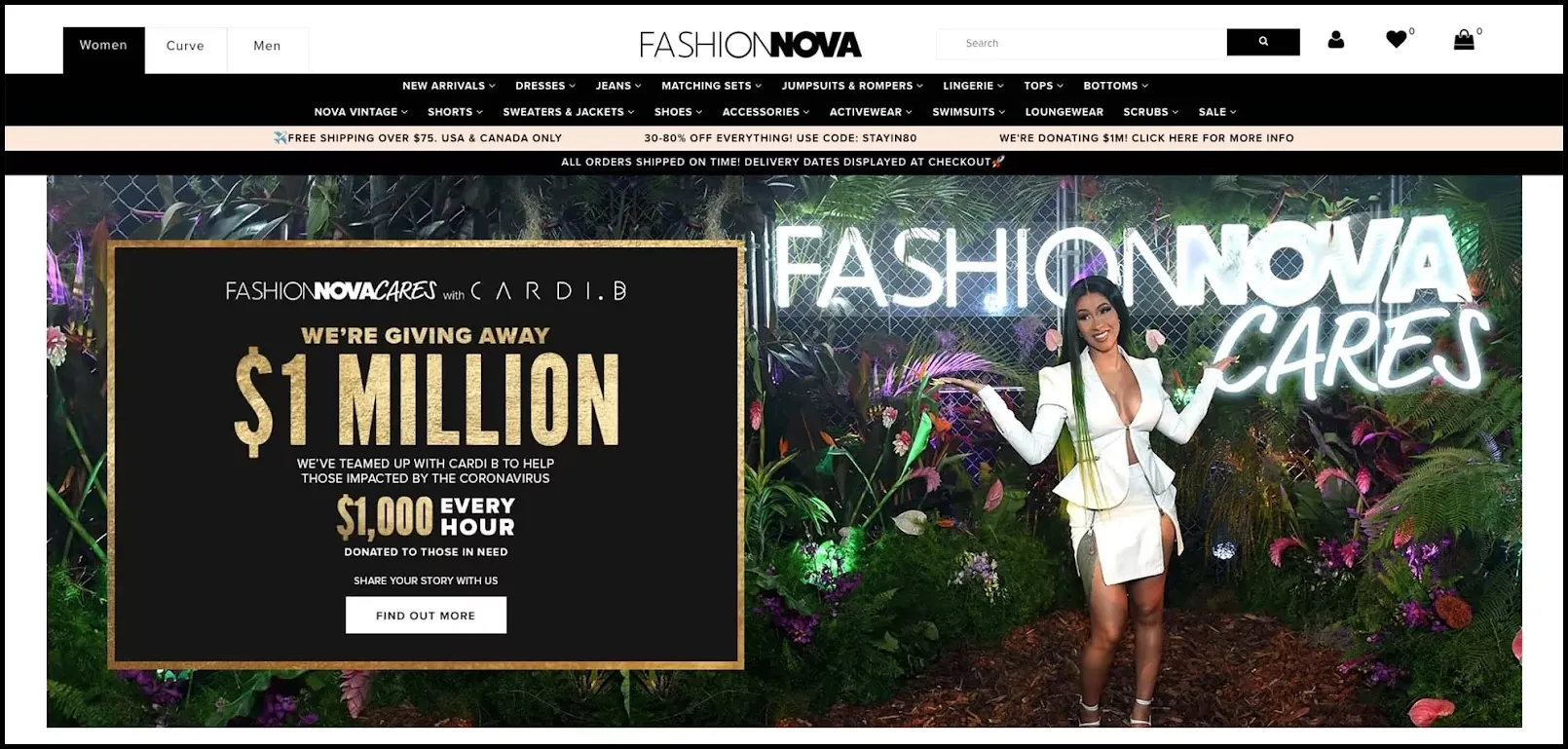
Continue reading: A Step-by-Step Guide to Influencer Marketing in Ecommerce
15) Artificial Intelligence
The use of Artificial Intelligence (AI) has become a major trend in promoting customer loyalty programs. By analyzing customer data, AI can identify patterns and predict behavior, allowing brands to provide personalized experiences that cater to their customers’ needs. This can result in higher customer satisfaction, loyalty, and a greater chance of repeat purchases. AI can also automate customer service, minimizing response times and reducing customer dissatisfaction
To further enhance customer engagement, AI-powered chatbots are becoming increasingly popular. These chatbots can instantly engage customers, address their queries, and offer personalized product suggestions. Consequently, more brands are adopting AI technology to improve their customer engagement strategies, strengthening their relationships with customers and driving business growth.
Continue reading: 8 Ways Artificial intelligence Is Changing Ecommerce Marketing
16) Mobile Loyalty
Mobile loyalty programs have emerged as a significant trend in enhancing customer loyalty, thanks to the increasing prevalence of smartphones. Brands are taking advantage of mobile apps and technologies to provide tailored experiences to their customers. Through these programs, customers can earn rewards, discounts, and exclusive benefits, incentivizing them to stay connected with the brand.
Mobile loyalty programs also enable brands to gather data about customer preferences and behaviors, allowing them to tailor their offerings and communication strategies accordingly. This personalized approach fosters deeper customer connections, ultimately leading to increased customer loyalty and retention. As a result, more brands are investing in mobile loyalty programs as a key component of their customer engagement and loyalty strategies.
17) Customer Advocacy
Customer advocacy has emerged as a significant trend in building customer loyalty programs. By encouraging satisfied customers to become brand advocates, brands can amplify their message and reach a wider audience. Advocates can provide valuable insights into customer preferences and behaviors, which can inform product development, marketing strategies, and customer engagement initiatives.
Additionally, customer advocacy can foster a sense of community and loyalty, as advocates feel more connected to the brand and are more likely to remain loyal customers. As a result, many brands are focusing on building a strong customer advocacy program as a key strategy to boost customer loyalty and drive growth.
18) Loyalty Partnerships
Loyalty partnerships have emerged as a significant trend in building customer loyalty. By partnering with other brands, companies can offer their customers a wider range of rewards and benefits, increasing the value of their loyalty program. These partnerships can also help brands to expand their reach and acquire new customers.
Moreover, loyalty partnerships can foster a sense of community and exclusivity, as customers feel like they are part of a select group with access to unique benefits. As a result, many brands are leveraging loyalty partnerships as a key strategy to build customer loyalty and drive growth.
Why Customer Loyalty is Important
By investing in building and maintaining strong relationships with their customers, businesses can achieve long-term success and growth.
Increased Revenue: Loyal customers tend to spend more money and make more frequent purchases than new customers. They are also more likely to purchase additional products or services from a company. This increased revenue can help businesses to grow and thrive.
Brand Advocacy: Loyal customers often become advocates for a brand, spreading positive word-of-mouth and recommending the company to friends and family. This can lead to new customers and increased revenue for the business.
Reduced Marketing Costs: Loyal customers are less expensive to retain than acquiring new customers through marketing efforts. By maintaining strong relationships with existing customers, businesses can reduce their marketing costs and focus on providing excellent products and services.
Competitive Advantage: A loyal customer base can give a business a significant competitive advantage. Loyal customers are less likely to be swayed by the competition and are more likely to continue doing business with a company, even if there are cheaper options available elsewhere.
Improved Reputation: A company with a loyal customer base tends to have a positive reputation in the market. This can lead to increased brand awareness and a positive image, attracting new customers and improving business overall.
Final Thoughts
The top customer loyalty trends for 2024 indicate that businesses will need to prioritize personalization, convenience, and innovation to build and maintain strong customer relationships. Offering seamless omnichannel experiences, leveraging emerging technologies such as AI and blockchain, and focusing on sustainability and social responsibility will also be key to staying competitive in the ever-evolving landscape of customer loyalty.