
Did you post an Instagram photo of your bare feet with the hashtag #withoutshoes in 2015? We are not surprised if you did as it’s considered to be one of the most successful user-generated content (UGC) campaigns ever.
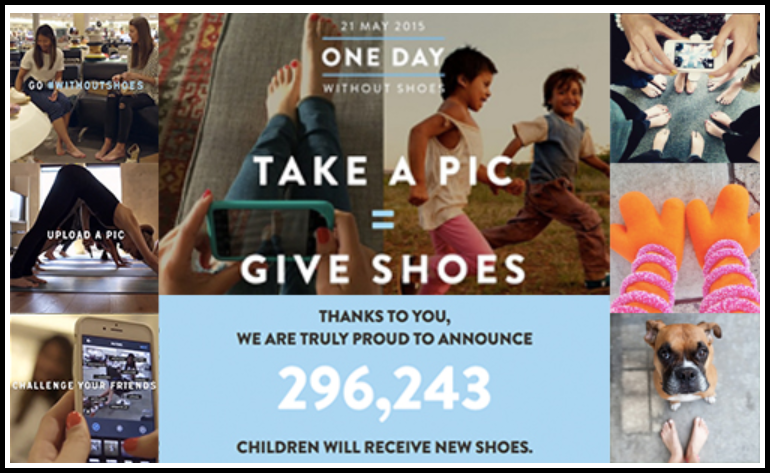
To raise awareness for the “One Day Without Shoes” initiative, the footwear brand TOMS asked its community to share the campaign by posting an Instagram photo of their bare feet with the hashtag #withoutshoes. Also, they promised to give a new pair of shoes to a child in need for every original photo shared.
Participation from people in over 30 countries resulted in 296,243 children receiving a new pair of TOMS shoes. The brand used the power of UGC to turn its audience into indirect mouthpieces for its brand.
UGC is still relevant today and marketers are creatively adopting it into their marketing strategy to counter the rising cost of acquiring a new customer. To understand this online phenomenon better, let’s dig a little deeper.
What is User-Generated Content?
Created and shared by actual customers of a brand, user-generated content is a unique form of online advertising that can’t be bought.
But why is UGC trusted more than traditional media?
Social proof is based on the idea that individuals will follow the standards set by the masses. External validation in the form of customers, friends, and influencers using a product is effective because it encourages other people to buy the product.
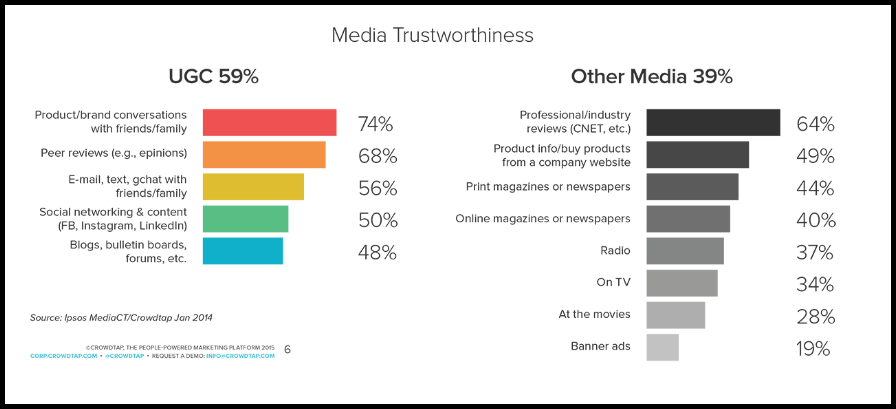
Moreover, ads based on user-generated content have four times the click-through rate and a 50% lower cost-per-click than average ads. There are many other benefits of using UGC in your marketing strategy. Let’s look at a few of them.
Benefits of User-Generated Content
1) Increased trust and credibility: By demonstrating that other people have had great experiences with a product or brand, UGC can assist to develop trust and credibility with potential customers.
2) Enhanced product discovery: UGC can help shoppers discover new products by providing them with real-world examples of how others are using and enjoying them.
3) Increased social proof: UGC can serve as social proof, showing potential customers that others are buying and using a product, which can increase the perceived value of the product and encourage more sales.
4) Cost-effective marketing: Most customers provide the content for free, using UGC is less expensive than traditional promotions..
5) Improved SEO: By offering new, relevant content that drives more traffic to your site, UGC can help to boost search engine optimization (SEO).
6) Personalization: Providing product suggestions based on user reviews, ratings, and comments, UGC can be utilized to tailor the customer experience.
7) Better customer engagement: UGC allows businesses to engage with customers on a more personal level, which can help to improve customer loyalty and retention. It also encourages customers to participate in contests or promotions, which can increase brand awareness and drive more sales.
How to get UGC for your brand?
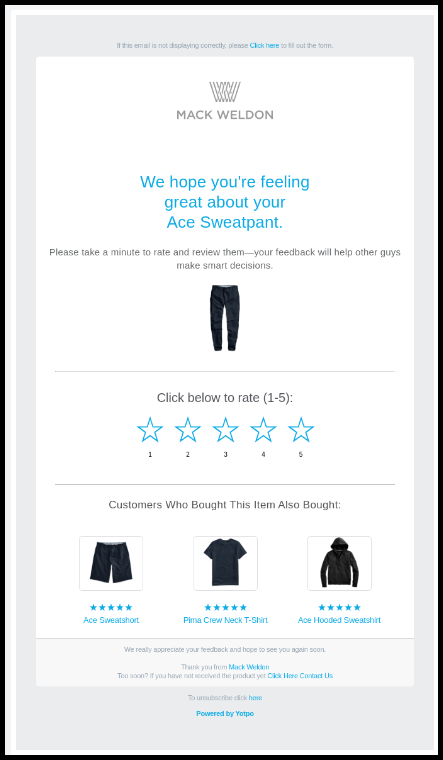
1) Email campaigns: Send email campaigns to your customers asking them to share their experience, reviews, or photos and videos of them using your products. Create a continuous cadence of user-generated content using the right messaging prompts in your post-purchase flow.
Here’s an example from a modern menswear brand, Mack Weldon.
2) Allow reviews on your website – Encourage customers to leave reviews on your website or on third-party review sites. This can provide valuable feedback and insights, as well as serve as social proof for potential customers.
Judy, an American brand that sells disaster-preparation kits and equipment, allows customers to submit reviews on their website.
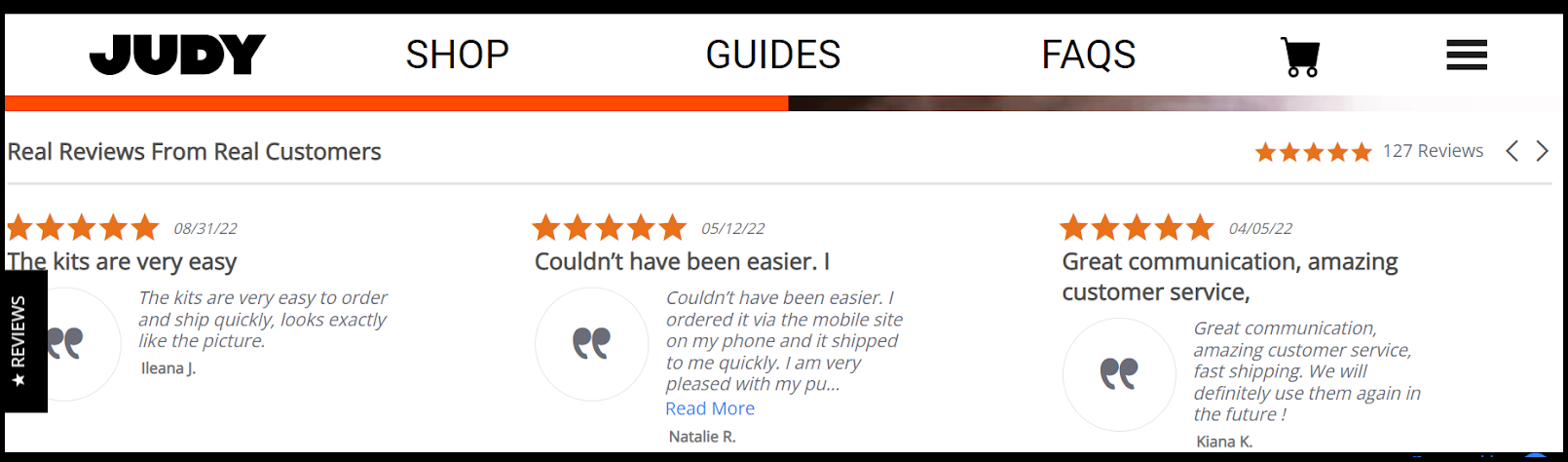
3) Use branded hashtags – You can also ask your customers to share photos of your brand’s products on social media using a branded hashtag.
Lume Cube, a DTC brand that makes portable lighting for creators and influencers, encourages UGC with hashtags such as #litbylume.
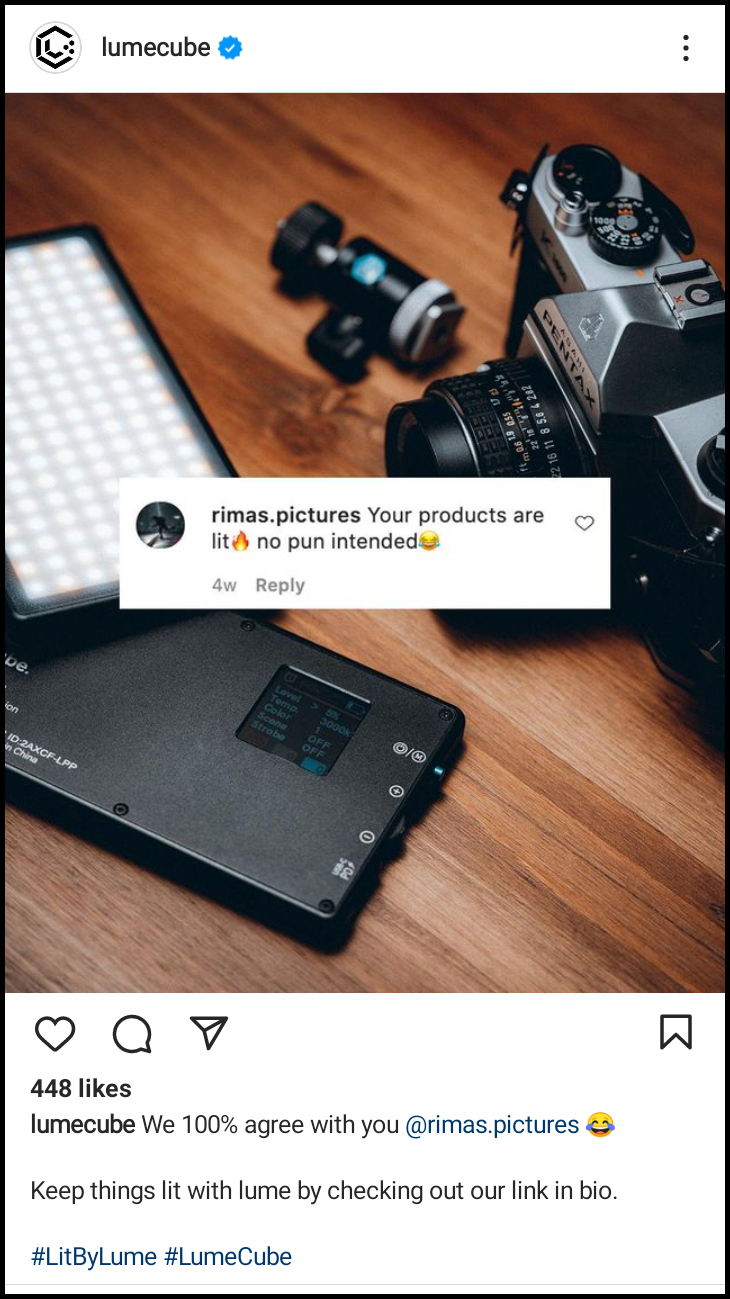
4) Contests and giveaway campaign: By giving away prizes to customers who send in photos or videos of themselves using the brand’s products as part of a contest or giveaway, ecommerce brands can bring in more user-generated content (UGC). To get more individuals to participate brands can make the contest or giveaway easy to enter, like by only asking for a simple photo or video, and they can also make sure the prizes are desirable and relevant to the audience.
Here’s an example of how Dollar Shave Club does this flawlessly:
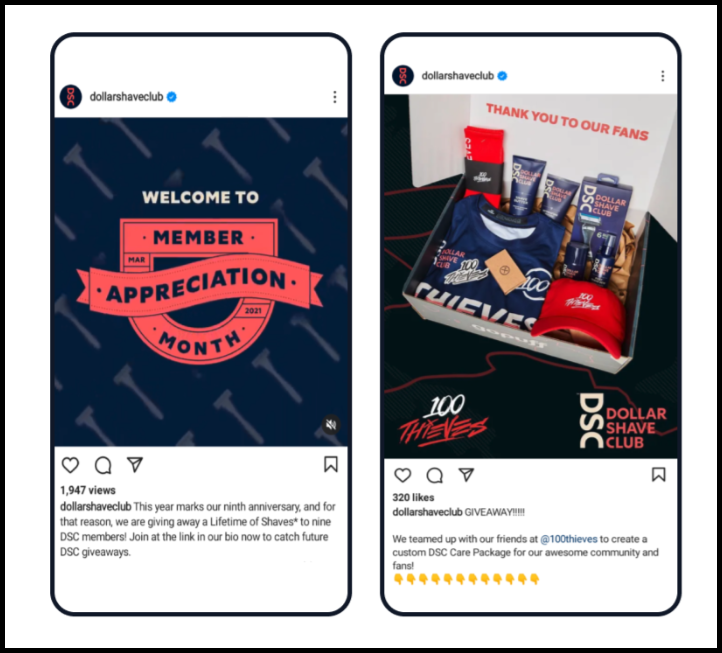
5) Collaborate with influencers – They are known for having enormous, engaged followings and amazing picture feeds. Customers who view these photographs are more inclined to participate in the dialogue by sharing their own snapshots.
For instance, the following Instagram post from lifestyle influencer Brittany Daisy recommends a product made by Carbon Coco. She briefly but accurately describes the product’s key benefit.
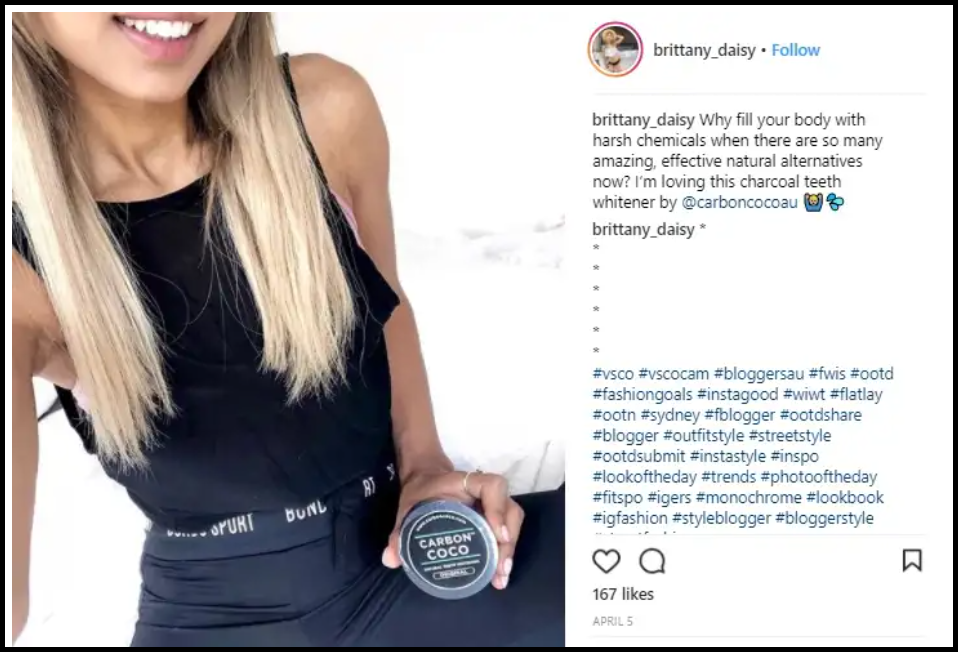
6) Use UGC-generating apps – The issue with using UGC is curation. You have no influence over where and when organic and genuine content appears. UGC apps can do much of the work for you by automating the curation process.
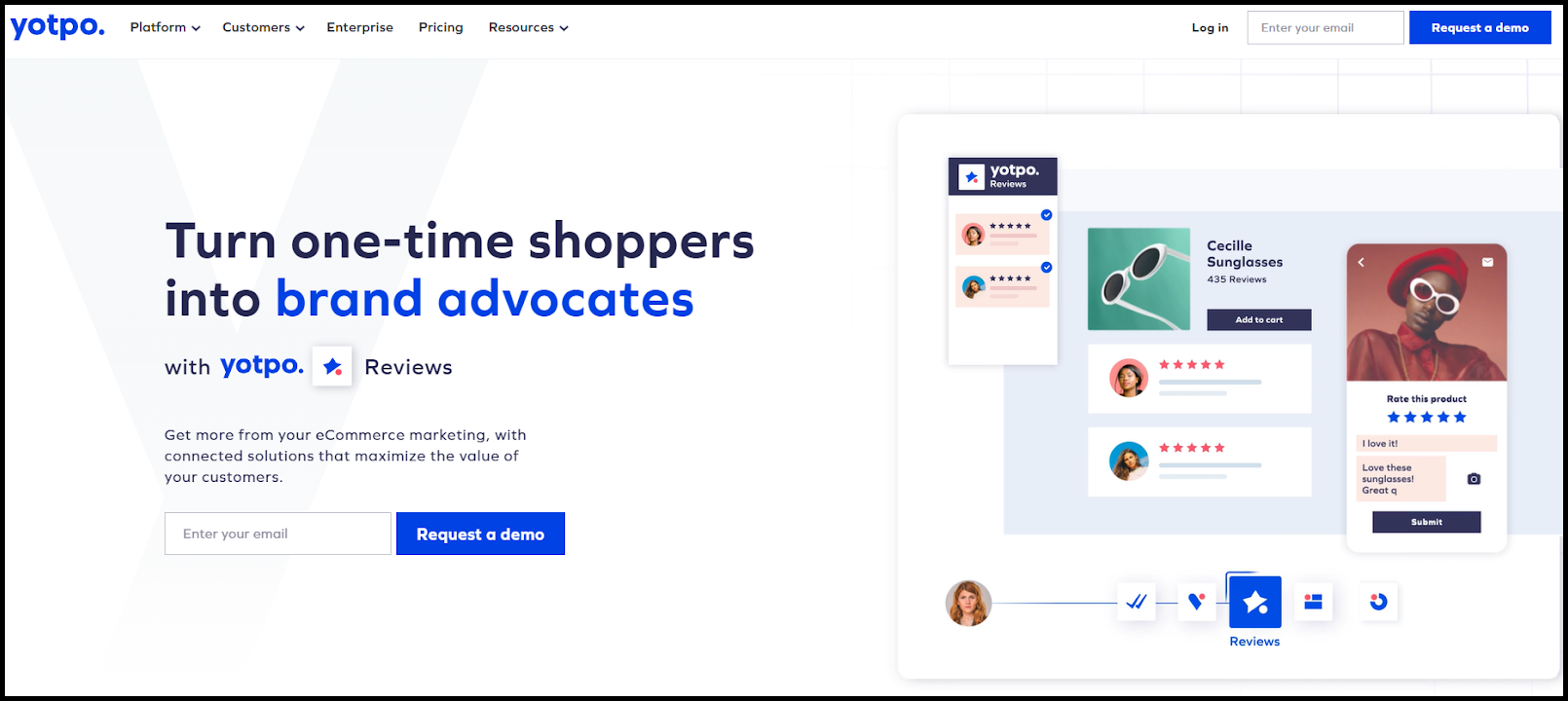
Ecommerce brands can use tools like Yotpo that has built-in UGC features for customizing the generation, collection, and display of reviews, ratings, and social media UGC. It also gives you a quick way to ask permission from the creator to use the UGC and organize them into albums.
How To Strategically Use UGC?
1) On social accounts: UGC can be reposted on a brand’s social media accounts to showcase real-life examples of how customers use and enjoy their products.
Outdoor Voices, an activewear brand, knows how to inspire genuine user-generated content. The brand wants people to share photos of themselves #doingthings instead of just focusing on their products.

DTC brands can show how their product is used in everyday life. Showing users how your product works will make it easy for them to picture themselves using it.
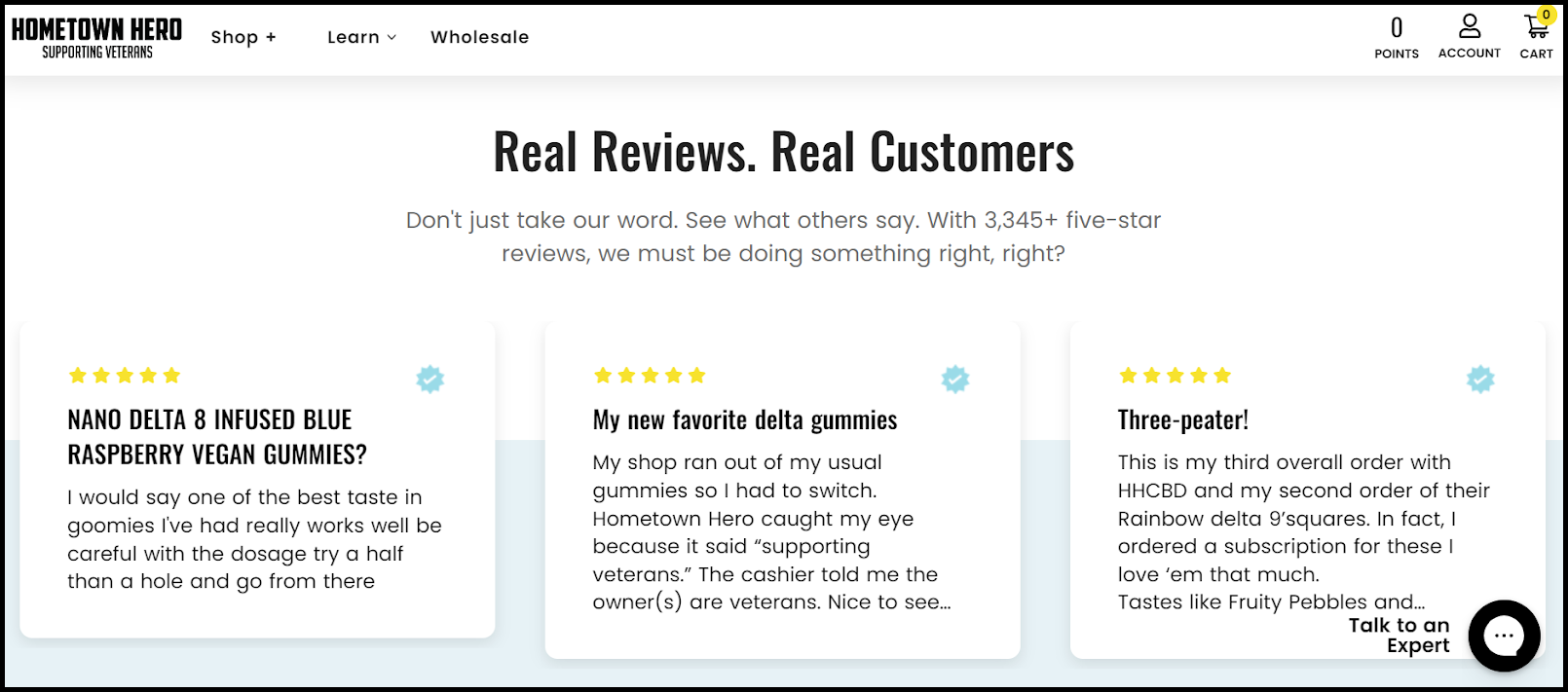
2) On the website’s home page: By featuring UGC on the home page of a website, brands can increase trust and credibility, leading to higher conversion rates and sales.
Hometown Hero is a Texas-based DTC brand that provides US veterans with delicious hemp products. They showcase reviews from real customers on the home page of their website.
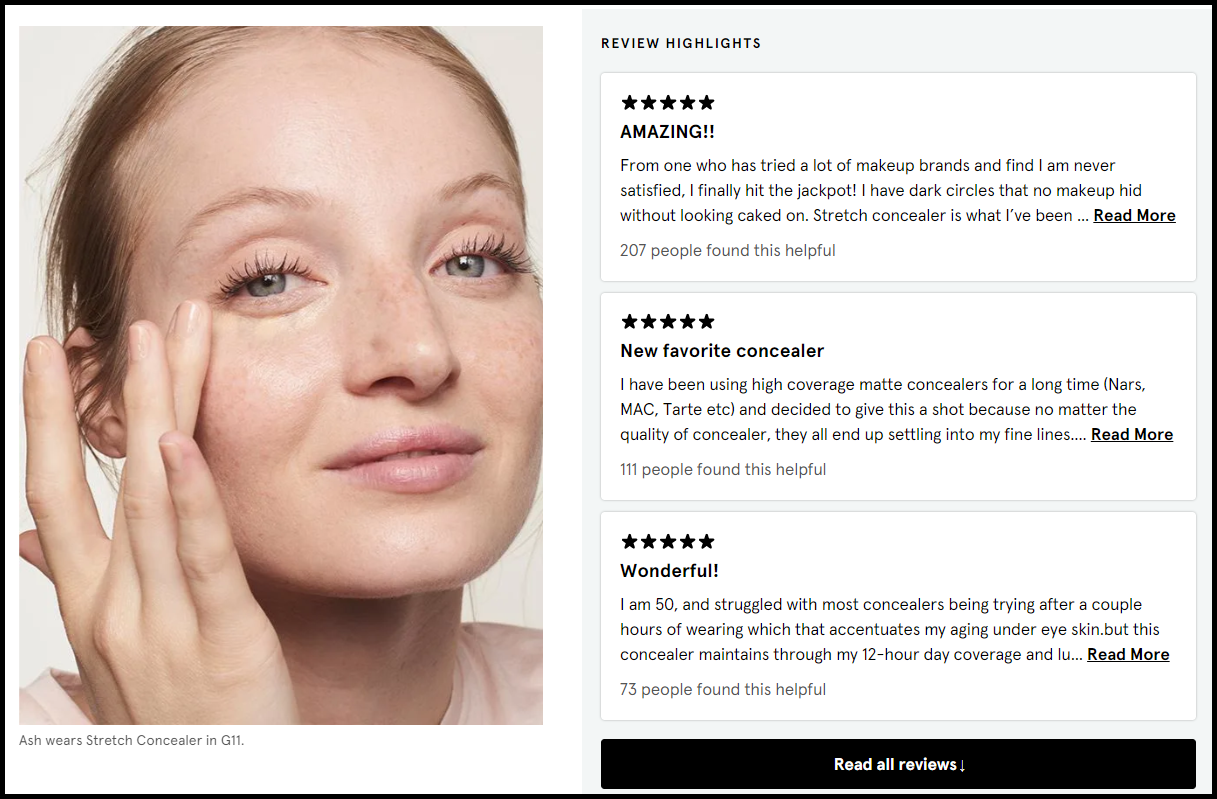
3) On product pages: UGC, such as customer reviews and ratings, can be displayed on product pages to provide social proof and help potential customers make informed purchasing decisions.
Glossier, a DTC beauty brand uses user-generated content on its website and on social media. If you go to the Glossier website and click on any product, you can see photos, how-to videos, and reviews from real customers.
4) ln email and SMS campaigns: UGC can be used to personalize email and SMS campaigns, making them feel more relatable and relevant to the recipient.
Here’s an example from Outer, a brand that sells outdoor furniture. They include this review in their emails.

5) Landing pages: UGC can be used in landing pages to increase click-through rates, as customers are more likely to engage with content that features real people and their experiences.
Even Calvin Klein made a landing page just for user-generated content.
UGC & Brand Loyalty
User-generated content can be a powerful tool for building brand loyalty. By featuring UGC on a website, social media channels, email campaigns, SMS campaigns, and other marketing materials, brands can showcase real-life examples of how their products are being used, and create a sense of community and engagement with customers.