What is ZMOT (Zero Moment of Truth)?
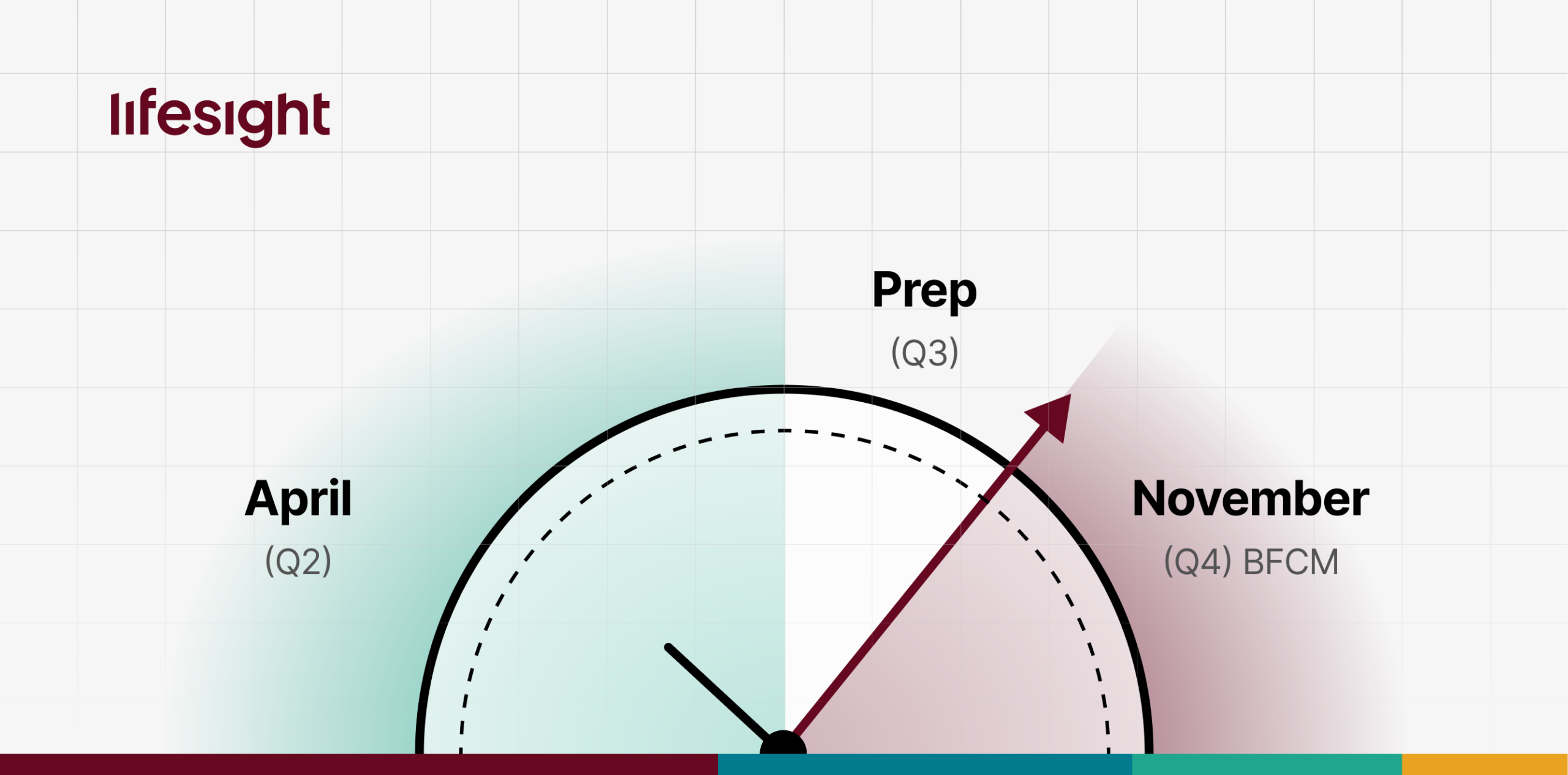
ZMOT, short for Zero Moment of Truth, is a marketing term coined by Google in 2011 to describe the online decision-making process. It refers to the period when a consumer researches a product online before making the final purchase decision. This stage occurs between the stimulus (where a customer feels the need of a product) and FMOT (First Moment of Truth – the point when the customer interacts with a product physically in-store).
Formula
ZMOT = Consumer Research + Online Interactions
Example
Consider an individual looking to purchase a smartphone. The potential buyer will likely conduct online research, seeking information about different models, reading reviews, doing price comparisons, etc., before making the purchase. This online decision-making phase is known as the Zero Moment of Truth, and it directly influences whether the customer will proceed to the FMOT.
Why is ZMOT important?
The popularity of online shopping and the availability of the internet on-the-go made ZMOT critical. It’s the stage where brands have an opportunity to influence the buying decision by presenting the convincing data and marketing content. Understanding ZMOT can help companies target their marketing efforts effectively, ultimately driving conversions and sales.
Which factors impact ZMOT?
Several factors impact the ZMOT including, brand reputation, online presence & visibility, quality of online content, online reviews, customer testimonials, and social media interactions. Brands that perform well on these fronts will likely have a stronger ZMOT.
How can ZMOT be improved?
Businesses can enhance their ZMOT by ensuring that consumers can find positive, accurate, and useful information online about their products or services. This can be achieved through a versatile digital marketing strategy. SEO optimization, efficient content marketing, leveraging social media effectively, investing in online PR, and encouraging online reviews are keys to enhancing ZMOT.
What is ZMOT’s relationship with other metrics?
ZMOT is interlinked with other ecommerce metrics. It correlates with website traffic and search engine ranking, which are essential metrics for digital marketing. A positive ZMOT can boost conversion rates – a prominent ecommerce KPI. Moreover, consistently positive ZMOTs can increase customer lifetime value by encouraging repeat business.
Free essential resources for success



Discover more from Lifesight