Hi there,
Marketing teams don’t lack ideas. They lack clarity on what actually works.
This week, we’re focused on closing that gap. Not with more reports. With proof you can act on.
Everyone is talking about AI agents.
Very few teams are using them to make real marketing decisions.
On April 28 1PM ET, Lifesight’s CTO Anil Singh is giving an insider’s look at how Marketing Intelligence Agents work in practice.
See how teams move from insight to action, plan budgets based on incremental impact, and make decisions they can defend with confidence.
Creative isn’t the problem. Measurement is.
Most teams debate creative based on engagement metrics.
They optimize for what looks good, not what drives revenue.
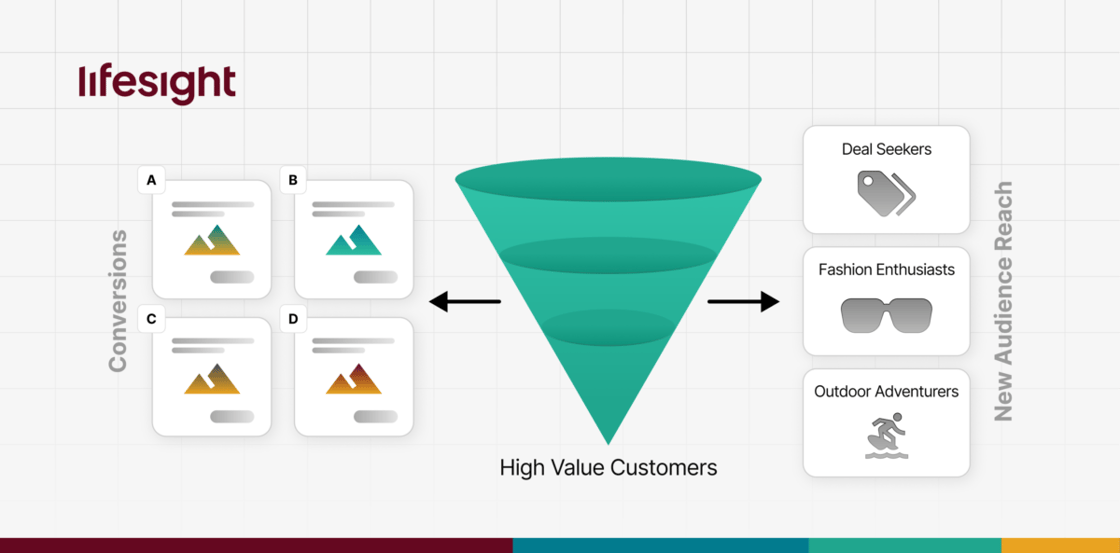
Our latest blog breaks this down and shows how to evaluate creative based on incremental impact, not surface-level performance.
If you’re still relying on platform metrics to judge creative, you’re likely over-crediting what’s easy to measure.
We’re heading to Miami 🌴
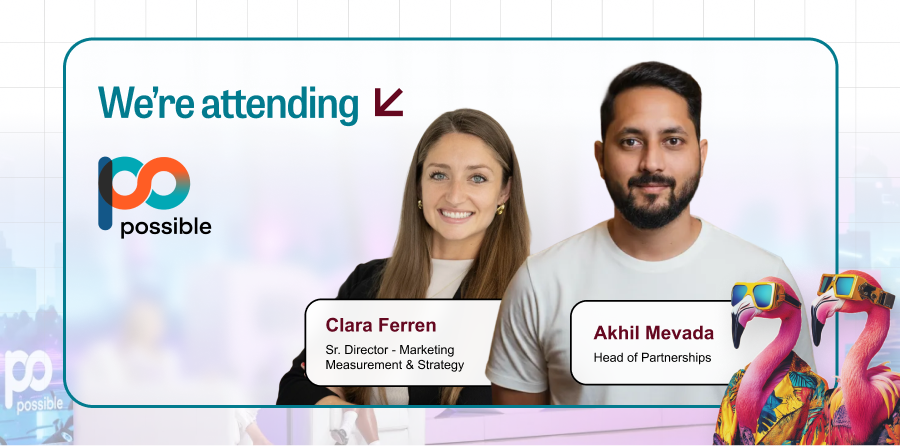
📅 April 27 – 29 | 📍 Miami Beach
Lifesight is attending POSSIBLE 2026 and bringing a fresh take on what marketing measurement should actually do: prove what drives revenue and help you act on it.
And yes, we plan to keep it as fun as it is useful 😎
If you’ll be there, let’s connect.
Tip of the Week
The Ghost ROAS Trap

Meta’s ROAS looks strong.
Your revenue doesn’t move.
That’s the signal.
With broad targeting, Meta often finds people who were already going to buy and takes credit for it.
The litmus test:
If platform ROAS goes up but total revenue stays flat, you’re not growing.
You’re retargeting your own demand.
The move: prove incrementality
Stop relying on the pixel. Test it.
- Pick two similar regions
- Turn off Meta in one for – 2 weeks
- Compare the revenue gap vs. spend saved
The bottom line
If revenue holds without spend, Meta didn’t drive the sale.
It just claimed it.
Don’t pay for momentum you already own.