The rules of Marketing Measurement are changing. Fast.
In 2026, attribution alone will no longer guide real investment decisions. It cannot keep up with how modern marketing actually works.
As brands scale across retail media, connected TV, paid social, search, and offline channels, they expose a fundamental problem. Attribution explains activity inside channels, but it fails to show what truly drives growth across the business.
That gap is no longer acceptable.
Why Attribution Is Falling Short
Attribution models were built for a simpler media environment. They assign credit based on touchpoints, not outcomes. As media overlap increases, those models produce more noise than clarity.
Marketing leaders see the impact every day:
- Multiple channels claim credit for the same result
- Platform reporting overstates performance
- Budget decisions rely on correlation, not causation
When every channel looks successful, none of them provide a clear answer on where to invest next.
Why Leading Brands Are Moving to a Unified Measurement OS
In a recent article for MarTech Series, Tobin Thomas, CEO of Lifesight, explains why sophisticated, omnichannel brands are moving beyond channel-level attribution toward unified measurement models.
This shift is already happening among brands with complex media mixes, large budgets, and direct accountability to finance and executive leadership. These teams need answers they can defend, not directional guesses.
Unified measurement brings Marketing Mix Modeling, Incrementality Testing, and Causal Attribution together in one system. Instead of asking which channel touched the conversion, teams ask a more meaningful question.
What actually caused incremental growth?
From Reporting Metrics to Decision-Grade Insight
Attribution reports what happened. Unified measurement explains why it happened. That difference matters when CMOs face tighter budgets, higher expectations, and increased CFO scrutiny. Leaders need one source of truth that connects marketing activity to financial impact.
As a result, brands are prioritizing:
- Incrementality over attribution credit
- Financial impact over vanity metrics
- Clarity over complexity
A Unified Measurement System gives marketing teams confidence in where to invest, where to pull back, and how to scale responsibly.
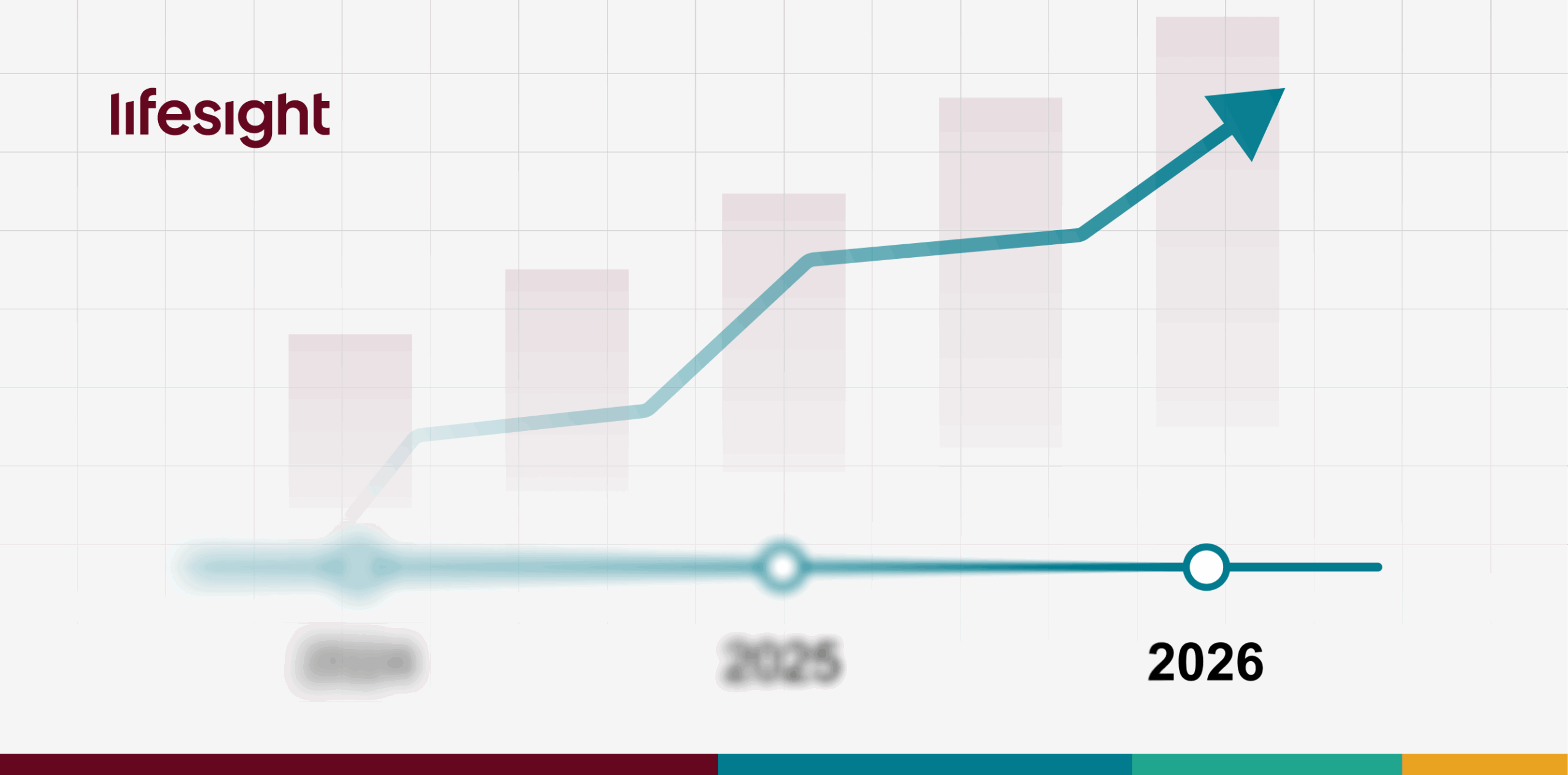
What This Means for 2026
Marketing measurement is no longer about optimizing dashboards. It is about making decisions that hold up under scrutiny. In 2026, the advantage will belong to brands that move early toward unified, causal measurement. These teams will allocate budgets more effectively, defend spend more confidently, and drive sustainable growth.
The future of measurement is not attribution. It is unified, causal, and built for how marketing actually works.
Book a demo to see how unified measurement delivers decision-grade clarity.