What is Abandoned browse?
Abandoned Browse refers to the behavior of online shoppers who visit an ecommerce website, explore the products available, but eventually leave without adding anything to their shopping cart or completing a purchase. These potential customers are considered to have “abandoned” the store. Understanding the reasons behind this behavior and taking appropriate measures to tackle it can significantly improve the conversion rate for an ecommerce business.
Formula
Abandoned Browse Rate = (Users who browsed without adding to cart or purchasing) / (Total website visitors) x 100
Example
If an ecommerce website receives 1,000 visitors, and 300 of them leave without adding an item to their cart or making a purchase, the Abandoned Browse Rate would be calculated as (300/1000) x 100 = 30%.
Why is Abandoned browse important?
Understanding the Abandoned Browse Rate is important for ecommerce businesses, as it helps to:
- Identify potential issues in user experience, website design, or product offerings.
- Measure the effectiveness of marketing and promotional efforts.
- Optimize the website to better meet customers’ needs and preferences, ultimately converting more potential customers into buyers.
Which factors impact Abandoned browse?
- Poor website design and layout.
- Overwhelming or limited product selection.
- Inadequate product descriptions or visuals.
- Lack of personalization in product recommendations.
- Slow website load times or low mobile optimization.
- Uncompetitive pricing or lack of promotions.
How can Abandoned browse be improved?
- Improve website usability and navigation. Making it easier for shoppers to find what they’re looking for increases the likelihood of them adding items to their cart and making a purchase.
- Implement personalized product recommendations that show products relevant to each visitor based on their browsing history or preferences.
- Provide detailed product information, high-quality images, and customer reviews to help shoppers make informed decisions.
- Offer promotions, discounts, and incentives to encourage customers to make a purchase.
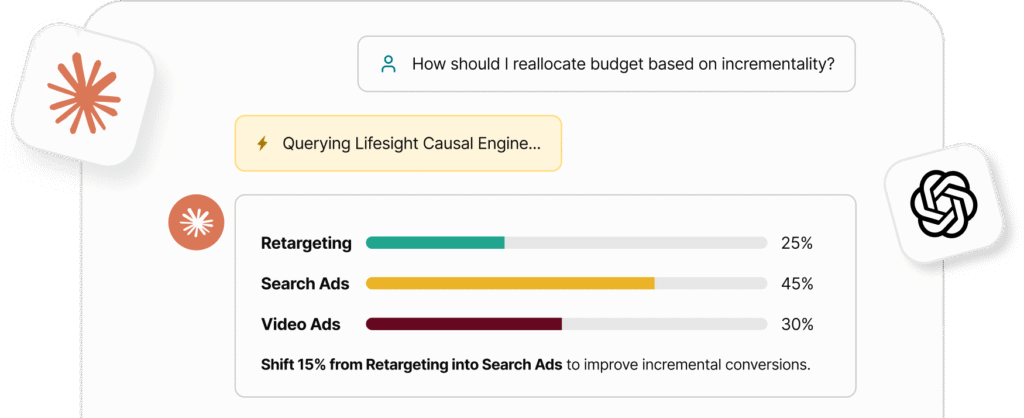
- Retarget potential customers with ads, email campaigns, or push notifications to remind them of the products they viewed and motivate them to return and complete their purchase.
What is Abandoned browse’s relationship with other metrics?
- Bounce rate: The percentage of visitors who leave the website after viewing only one page. A high bounce rate may indicate that the site is failing to engage visitors, which contributes to an increased Abandoned Browse Rate.
- Cart abandonment rate: The percentage of customers who add items to their cart but do not complete the checkout process. Improving cart abandonment would also help in improving the abandoned browse rate.
- Conversion rate: The percentage of website visitors who complete a desired action, such as making a purchase. A lower Abandoned Browse Rate corresponds to a higher conversion rate.
- Average order value (AOV): The average amount spent per customer transaction. Reducing Abandoned Browse can help to increase AOV, as shoppers who are better engaged with the site are more likely to make larger purchases.
Free essential resources for success
Discover more from Lifesight